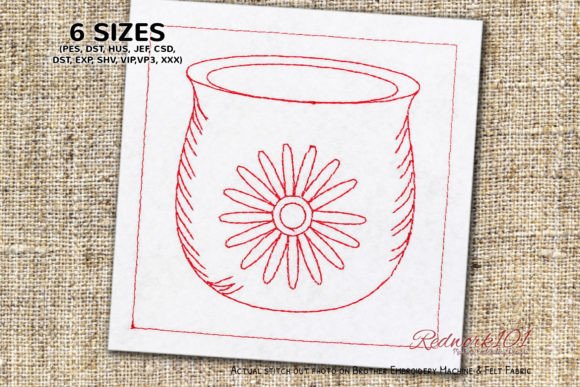
Artwork on Pottery Redwork Embroidery Review
As an embroidery designer who spends weekends navigating the chaos of craft fairs and managing a busy online shop, I have learned that not every design is created equal. Some are visually stunning but impossible to produce efficiently; others are simple but lack the "wow" factor needed to stop a passerby in their tracks. When evaluating Artwork on Pottery Redwork Embroidery, I look at it through the lens of commercial viability: Will this sell? Does it photograph well? Is it practical for batch production?
This review breaks down why this specific machine embroidery design has strong potential for handmade market products, particularly within the kitchen and home decor categories.
First Impressions: The Visual Appeal of Redwork
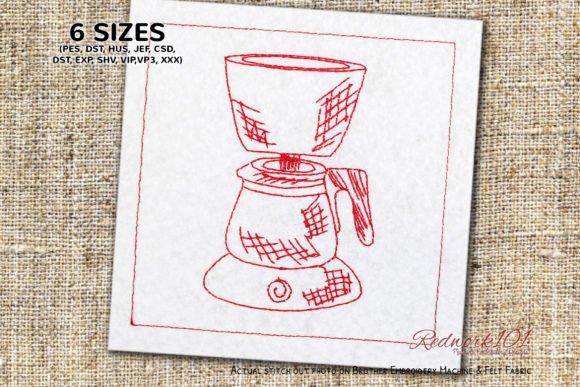
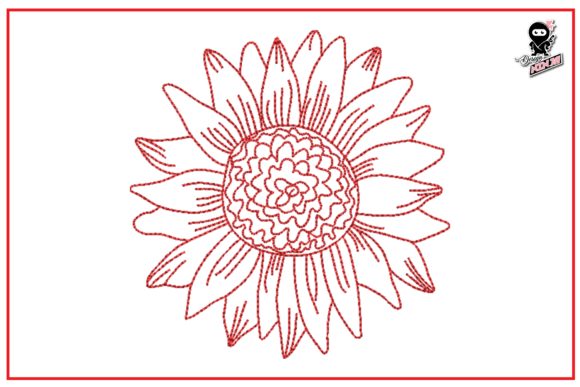
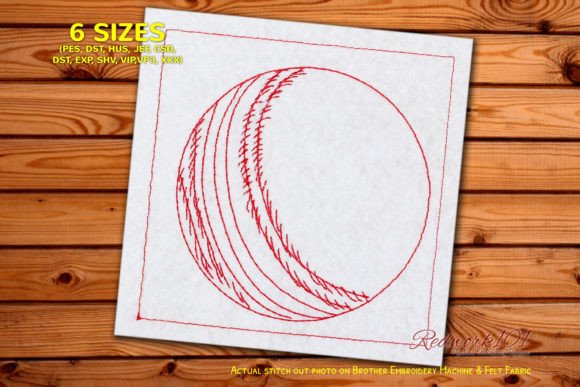
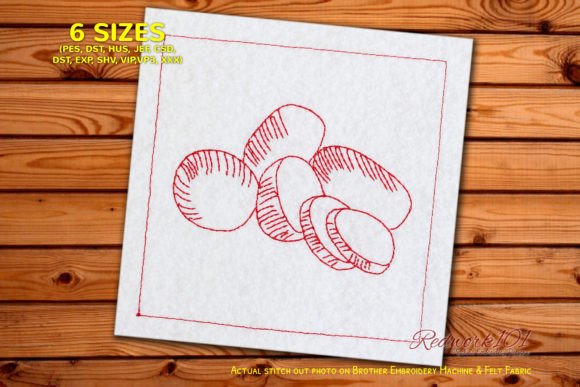
The term "Redwork" immediately signals a specific aesthetic to modern buyers. It evokes a sense of nostalgia, simplicity, and timeless charm. Unlike complex, multi-colored satin stitch designs that can feel busy or dated, redwork relies on clean lines and bold outlines. This makes Artwork on Pottery Redwork Embroidery incredibly versatile. It feels rustic yet elegant, fitting perfectly into farmhouse, cottagecore, and minimalist interior trends that dominate platforms like Etsy and Pinterest.
From a booth display perspective, this design stands out because of its high contrast. Even from ten feet away, the silhouette of pottery against a solid background catches the eye. It does not rely on subtle shading or intricate texture to convey its message; it relies on shape. For a craft fair seller, this is crucial. You do not have time to explain the nuance of a design to every customer. The visual communication must be instant.
Product Application: Where It Sells Best
Not all embroidery files work equally well on every substrate. Based on my experience turning digital assets into finished product inventory, here is where Artwork on Pottery Redwork Embroidery shines:
- Kitchen Towels and Tea Towel Embroidery: This is perhaps the strongest application. The clean lines of redwork translate beautifully onto cotton or linen tea towels. Because the design features pottery, it thematically aligns with the kitchen environment. Customers buying these items often view them as decorative art pieces rather than just utilitarian objects, allowing for a higher price point.
- Tote Bag Design: A sturdy canvas tote featuring this motif appeals to the eco-conscious shopper. The simplicity of the design ensures it remains legible even if the bag is folded or crumpled. It serves as a perfect Etsy seller item—low cost to produce, high perceived value.
- Apron Embroidery: While aprons are functional, they are also fashion statements. Placing this design centrally on a bib apron creates a focal point that draws attention to the maker's skill. However, care must be taken with fabric texture; see the technical notes below.
- Embellished Patches and Caps: The compact nature of most redwork designs makes them ideal for iron-on patches or front-panel cap embroidery. These are impulse buy items at craft fairs. If you offer a variety of small pouches or market bags with this motif, they become excellent add-on sales at checkout.
- Pillow Covers: For a larger format, this design works well on throw pillows. The "pottery" theme suggests a cozy, domestic vibe that pairs well with neutral fabrics like cream, beige, or soft grey.
Practical Production and Selling Points
One of the most critical aspects of being a successful commercial embroidery producer is efficiency. Artwork on Pottery Redwork Embroidery appears to have a structure that supports rapid production. Redwork designs typically use fewer thread changes than complex pictorial designs, which reduces downtime on the machine and minimizes thread waste.
Furthermore, the description notes that the outer box color may vary. This is a significant advantage for a small shop product owner. It allows you to customize the border to match different fabric colors without needing multiple separate files. You can create a cohesive collection by simply swapping the thread color for the frame while keeping the central artwork consistent. This consistency strengthens your brand identity across your entire inventory.
When creating printable mockup images for your online listings, this design photographs exceptionally well. The bold outline ensures that the image remains sharp even when viewed on small mobile screens. High-quality visuals are non-negotiable for Etsy sellers and digital creators, and this design’s clarity gives you a head start.
Careful-Use Notes and Technical Considerations
Even the best designs require careful execution. As an experienced designer, I advise testing the following before committing to large batches:
- Stitch Density and Tiny Details: Examine the original file for any tiny text or very fine lines within the pottery artwork. If the details are too small, they may pucker the fabric or become illegible after washing. Ensure the stitch density is appropriate for the fabric weight you plan to use.
- Fabric Texture: Avoid using this design on highly textured fabrics like heavy waffle-weave towels or thick chenille unless you have tested it first. The raised texture can obscure the clean lines of the redwork. Flat-weave cottons, linens, and denim provide the smoothest surface for crisp embroidery.
- Hoop Size and Placement: Confirm the recommended hoop size for this design. If you are embroidering on curved surfaces like caps, ensure the design is digitized with proper underlay stitches to prevent distortion. For flat items like tote bags, check that the placement looks balanced relative to the seams and handles.
- Thread Contrast: The success of redwork depends entirely on contrast. If you embroider white thread on a cream towel, the design will disappear. Always test thread colors against your actual fabric stock. The note about the optional box stitch means you should verify if the frame is part of the core design or a separate element, as this affects your stabilizer choice and hoop setup.
- Stabilizer Selection: Use the right stabilizer to support the design. Cut-away stabilizer is generally recommended for garments and frequently washed items like kitchen towels to prevent puckering over time. Tear-away may suffice for one-time use gifts or stiff fabrics.
Final Verdict for Craft Fair Sellers
Artwork on Pottery Redwork Embroidery represents a smart investment for any maker looking to expand their kitchen-themed offerings. It balances aesthetic appeal with production practicality. It is easy to understand at a glance, photographs well for online listings, and fits seamlessly into current home decor trends.
For craft fair booths, it offers a premium handmade quality that customers appreciate. It tells a story of craftsmanship and tradition. By focusing on high-contrast fabrics and ensuring proper stabilization, you can turn this digital embroidery file into a line of best-selling items—from tea towel embroidery sets to custom tote bag design collections.
Remember to always check the specific licensing terms before selling finished products. If the license allows for commercial use, this design has the potential to become a staple in your catalog. Test it on scrap fabric, compare fabric colors, and create at least one real mockup to see how it performs in your hands. With careful preparation, this design can help you stand out in a crowded market and engage buyers with its timeless, charming aesthetic.