Cricket Ball in Hand Embroidery Design Review
As an embroidery designer who has spent years translating digital concepts into tactile reality, I approach every new design asset with a mix of skepticism and excitement. When I first laid eyes on the Cricket Ball in Hand Embroidery Design, my immediate reaction was one of intrigue regarding its potential for a high-end streetwear or boutique athletic collection. This is not just another generic sports icon; it carries a narrative weight that speaks to precision, skill, and the raw aesthetic of the game. For small clothing brands, Etsy sellers, and creative entrepreneurs looking to elevate their custom apparel offerings, understanding the nuance of this specific file is crucial before committing to production.
The First Impression: Mood and Aesthetic
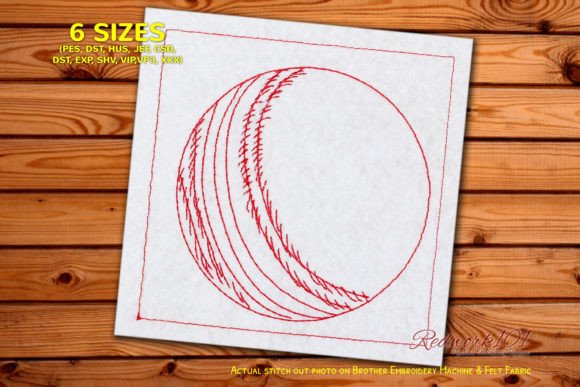
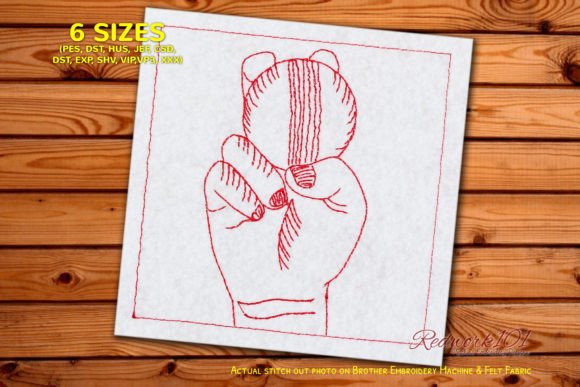
The initial visual impact of the Cricket Ball in Hand Embroidery Design strikes a balance between rustic charm and modern minimalism. The central motif—a cricket ball held firmly in hand—suggests action, grip, and control. From a design evaluation standpoint, the composition feels grounded. It avoids being overly cluttered, which is a common pitfall in sports-themed embroidery files. Instead, it relies on strong silhouettes and clean lines that translate beautifully when stitched onto fabric.
The mood is undeniably bold yet approachable. It feels less like a team jersey logo and more like a lifestyle statement. This distinction is vital for boutique brand identity. When you are creating a limited drop for a small online shop, you want designs that resonate with individuality rather than uniformity. The hand holding the ball adds a human element, making the piece feel personal and artisanal. It suggests a story about the player, the fan, or the creator, which is exactly what drives engagement in the handmade market.
Application on Premium Sweatshirts and Hoodies
One of the most exciting aspects of reviewing this design is visualizing it on various garment types. Cricket is often associated with summer, but the aesthetic of this machine embroidery design lends itself perfectly to cooler-weather apparel. Imagine this placed on the left chest of a heavyweight, neutral-toned sweatshirt. The contrast between the textured cotton of the sweatshirt and the smooth, raised stitches of the embroidery creates a luxurious tactile experience.
For a dark fabric background, such as charcoal grey or deep navy, the thread colors need careful consideration. While the product description notes that the outer box color may vary, the core imagery of the ball and hand typically utilizes high-contrast threads to pop against darker hues. On pastel-colored oversized hoodies, however, the design takes on a softer, more playful character. It becomes a statement piece that feels curated and intentional. I can easily see this working as a back print placement on a cozy seasonal hoodie, where the design anchors the silhouette without overwhelming the wearer.
Furthermore, this hoodie design offers versatility beyond standard chest placements. It could serve as a striking accent on the sleeve cuff or even as a subtle detail near the hemline. For Etsy sellers and digital sellers, offering multiple placement options increases the perceived value of the handmade product. It transforms a simple garment into a bespoke item, appealing to customers who value unique, non-mass-produced fashion.
Stitch Density and Fabric Texture
From a technical perspective, the stitch density of the Cricket Ball in Hand Embroidery Design appears well-calibrated for commercial use. High-density fills can sometimes cause puckering on thinner fabrics, but this design seems to utilize a balanced approach. The stitching personality is crisp, suggesting that the satin stitches outlining the ball and fingers will hold their shape wash after wash. However, designers must always consider the fabric texture of their base garments. On a fleece-heavy sweatshirt, the needle penetration needs to be sufficient to secure the design without sinking too deeply, which could distort the image. Choosing the right stabilizer is paramount here; a cut-away stabilizer would likely provide the necessary support to maintain the integrity of the embroidery during laundering.
Practical Designer Concerns and Production Notes
Before adding this to your library of design assets, there are practical considerations that cannot be overlooked. The product description mentions an optional Box Stitch and notes that the outer box color may differ from the main design. As a professional, I advise testing these variations meticulously. If the outer box is intended to be a contrasting color, ensure that your thread palette allows for clear separation between the box and the ball. Poor color contrast can muddy the design, reducing its visual impact and potentially lowering customer satisfaction.
Another critical factor is hoop size and placement. While exact dimensions are not provided in the source material, designers should verify the maximum hoop size required to digitize this pattern correctly. Ensuring the design fits within standard embroidery machine hoops prevents costly errors during production. Additionally, check the file format compatibility with your software. Not all digital embroidery files are created equal, and ensuring your equipment can read the file structure is essential for a smooth workflow.
- Thread Color Contrast: Test the design on your actual target fabrics. Neutral threads on light fabrics or bright threads on dark backgrounds require different approaches to ensure visibility.
- Washing Durability: Evaluate the underlay stitches. Good underlay stabilizes the fabric and prevents the top stitches from shifting, ensuring the finished product remains pristine.
- Small-Size Readability: If scaling down for smaller garments or accessories, verify that the details of the hand and ball remain distinct. Too much reduction can turn intricate details into blobs.
Impact on Brand Identity and Customer Trust
In the competitive world of small shop products, presentation is everything. Using a high-quality commercial embroidery design like the Cricket Ball in Hand Embroidery Design signals professionalism. It tells your customers that you care about the details. When a buyer receives a sweatshirt with crisp, well-executed embroidery, it builds trust in your brand’s quality standards. This perception directly influences repeat purchases and word-of-mouth referrals.
Moreover, this design enhances your ability to create compelling marketing materials. A well-stitched sample provides excellent opportunities for printable mockup creation and lifestyle photography. The interplay of light and shadow on the embroidered threads adds depth to images, making them stand out in social media feeds. For creative entrepreneurs, leveraging these visual strengths can significantly boost click-through rates and conversion rates on platforms like Etsy or Shopify.
Final Thoughts for the Boutique Maker
The Cricket Ball in Hand Embroidery Design is a versatile and aesthetically pleasing addition to any embroidery library. Its blend of sporty energy and artisanal charm makes it suitable for a wide range of applications, from casual streetwear to premium boutique collections. By paying attention to thread selection, stabilizer choice, and fabric compatibility, you can transform this digital file into a tangible success story for your brand.
Remember to always review the specific technical details of the file before mass production. Confirming the hoop size, stitch count, and color variations ensures that your vision aligns with the final output. Whether you are launching a new line of sweatshirt embroidery pieces or expanding your range of custom apparel, this design offers a strong foundation for creating memorable, high-value products that resonate with your audience.