Embroidery Alphabet and Numbers Cliparts Review
As an embroidery designer who spends half my life at craft fairs and the other half in front of a hoop, I have learned one undeniable truth: customers buy with their eyes first, but they keep what feels special. When I walked into this year’s handmade market prep with a stack of blank totes, aprons, and tea towels, I needed designs that would stop traffic. That is when I evaluated Embroidery Alphabet and Numbers Cliparts. This collection promises cute, whimsical, and fun images perfect for scrapbooking or DIY projects, but does it translate well to high-volume commercial embroidery for a busy booth?
I put this machine embroidery design through its paces to see if it has the legs to become a best-selling crafter fair product. Here is my professional breakdown of how these design assets perform in the real world of handmade sales.
First Impressions and Visual Appeal
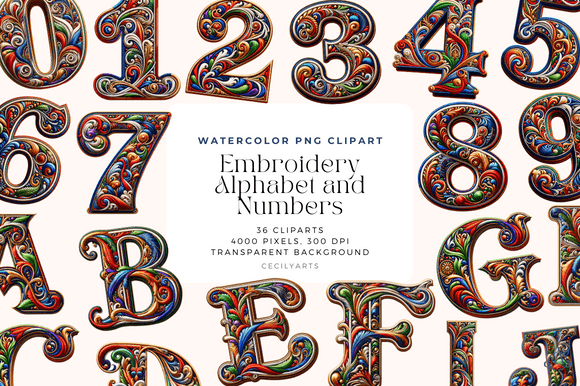
The title suggests utility—alphabets and numbers—but the description hints at personality. Whimsical and fun are keywords that resonate heavily with the boutique maker demographic. From a visual standpoint, these illustrations feel soft and approachable rather than rigid or overly corporate. For a handmade product to stand out on a crowded table, it needs character. These cliparts deliver that charm without feeling childish, striking a balance that appeals to both young parents buying baby gifts and older shoppers looking for rustic home accents.
When laid out as a tote bag design, the whimsical nature of the graphics creates an immediate emotional connection. They do not scream for attention like neon bold fonts; instead, they invite a closer look. This subtlety is crucial for Etsy seller listings where printable mockup images must convey warmth and quality instantly. The aesthetic leans towards modern farmhouse and soft minimalism, two styles that consistently dominate online marketplaces and physical booths alike.
Product Versatility and Market Fit
One of the biggest challenges for any small shop product is versatility. A design that looks great on one item might fail on another. Embroidery Alphabet and Numbers Cliparts shines because of its adaptability. It is not limited to a single use case. Here is how it performs across key categories:
- Tote Bags and Market Bags: As a focal point on canvas totes, these designs add a personalized touch that elevates a basic accessory into a gift-worthy item. The whimsical elements break up the large expanse of fabric effectively.
- Apron Embroidery: Placing alphabet and number motifs near the pocket or hemline adds a charming detail to kitchen wear. It transforms a utilitarian item into a decorative piece suitable for a hostess gift.
- Tea Towel Embroidery: This is a high-margin, low-effort category. The cliparts work beautifully as small accents on linen or cotton blends, offering instant gratification for buyers looking for affordable treats.
- Embroidered Patch: Converting these graphics into patches allows for application on denim jackets, backpacks, and caps. This expands your reach beyond just home goods into wearable fashion.
- Pillow Covers and Pouches: For smaller items like zippered pouches, the numbers can serve as functional labels (e.g., "Yarn" or "Makeup"), while the letters add decorative flair. On pillows, they anchor the design nicely.
This range ensures that you are not relying on a single niche. Whether you are targeting craft fair sellers or digital sellers of embroidery files, the broad applicability increases your potential customer base significantly.
Production Practicality and Sales Logic
From a production standpoint, efficiency is king. If a design takes too long to stitch, your profit margins shrink. While exact stitch counts vary by software and digitizing choices, whimsical clipart often relies on satin stitches and simple fill patterns. This generally means faster run times compared to complex photorealistic portraits.
The design’s clarity is another selling point. At a craft fair, customers glance at items from three feet away. Does Embroidery Alphabet and Numbers Cliparts read clearly? Yes. The shapes are distinct enough to be recognized even from a distance, which is vital for booth display strength. Furthermore, the repetitive nature of alphabets and numbers makes batch production easy. You can set up your machine to produce a series of matching sets (e.g., a full name set) quickly, increasing throughput during peak hours.
Photography also benefits from this design type. Because the graphics are colorful and playful, they photograph well against neutral backgrounds. This helps create compelling Etsy listings that drive clicks. The visual appeal directly impacts perceived value; a well-executed whimsical design feels more premium than a generic text-only stitch, allowing you to command higher prices for your finished product.
Crucial Considerations for Quality Control
However, not every clipart translates perfectly to thread. There are careful-use notes that every designer must heed before running production runs.
- Stitch Density: Check the stitch density closely. Whimsical designs can sometimes suffer from excessive density if the digitizer overloads the fill areas. Too much thread can cause puckering, especially on lightweight fabrics like thin cotton tea towels.
- Tiny Details: Be wary of tiny details within the clipart. If the original graphic includes hair-thin lines or minuscule textures, they may disappear entirely when embroidered, especially on textured fabrics like terry cloth aprons. Simplify where necessary.
- Fabric Texture and Color: Test on your actual stock. Dark fabric requires a heavy underlay and potentially a cut-away stabilizer to prevent show-through. Conversely, light fabrics need careful tension settings. Always check thread contrast; bright colors pop, but pastels might get lost on cream-colored linen.
- Hoop Size Constraints: Ensure the hoop size accommodates your largest intended product. If you want to embroider a wide apron bib, make sure the design scales down cleanly without losing its whimsical charm.
- Curved Surfaces: For caps and pouches, flat designs may distort. You may need to adjust the design for curvature to maintain readability.
Final Verdict for the Creative Entrepreneur
Embroidery Alphabet and Numbers Cliparts is a strong contender for any embroidery business owner looking to diversify their catalog. It bridges the gap between functional personalization and decorative art. By using these graphics strategically on totes, aprons, and patches, you create products that feel bespoke yet are produced efficiently.
To maximize success, remember to test the design on scrap fabric first. Inspect the stabilizer choice, confirm your thread colors offer sufficient contrast, and always verify commercial licensing rights before listing your items. When executed with care, this design collection offers the visual punch and practical utility needed to turn browsers into buyers at your next craft fair or online store.