Embroidery Folk Ethnic Square Pattern Review
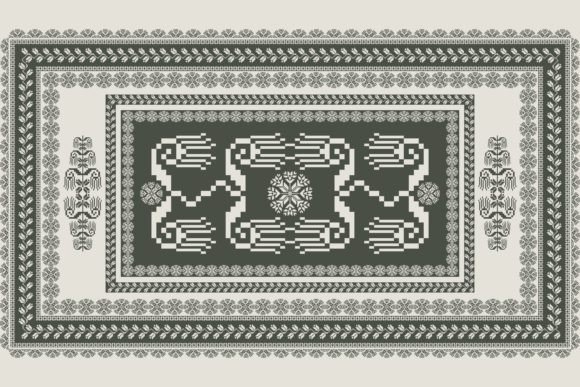
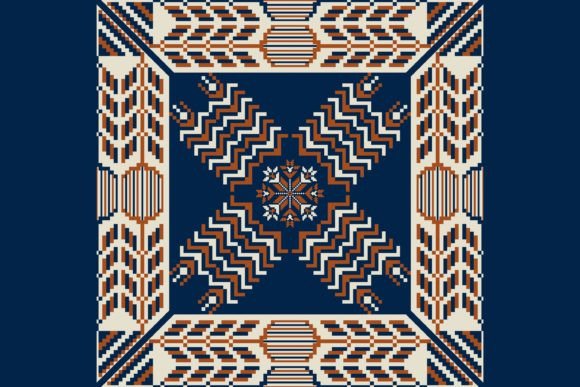
As an embroidery designer who spends hours tweaking stitch paths and testing thread combinations, I am always looking for design assets that offer more than just a pretty picture. When browsing Creative Fabrica embroidery options for upcoming commercial projects, I recently came across the Embroidery Folk Ethnic Square Pattern. The product description highlights it as a colorful ethnic geometric embroidery pattern with a vector-based square shape seamless design, suitable for fabric, textile, home decoration elements, upholstery, and wrapping.
I decided to put this graphic asset through its paces—not just by looking at the preview, but by evaluating how it would perform in real-world scenarios. Whether you are an Etsy seller looking to expand your shop inventory or a small business owner creating custom apparel, understanding the practical application of a design is crucial. Here is my honest review of the Embroidery Folk Ethnic Square Pattern and how it fits into a professional workflow.
First Impressions: Visual Mood and Design Appeal
The moment you view the Embroidery Folk Ethnic Square Pattern, the visual mood is immediately striking. It carries a vibrant, earthy energy that feels both traditional and modern. The geometric square structure provides a strong foundation, while the ethnic motifs add layers of intricate detail. For designers, this balance is key; too much complexity can lead to stitching nightmares, while too little simplicity can result in a bland finished product.
This design strikes a compelling middle ground. The "folk" aspect suggests warmth and handmade charm, which resonates deeply with buyers on platforms like Etsy. The seamless nature of the pattern means it has versatility beyond a single focal point. It can serve as a background texture for a tote bag or act as a bold central motif for a pillow cover. The color palette, described as colorful, implies high contrast, which is excellent for grabbing attention in product photography and social media feeds.
Real-World Application: From Digital File to Finished Product
When considering this embroidery file for production, I visualized several specific use cases. The versatility of the Patterns category allows for multiple applications, but some stand out more than others.
- Tote Bags and Canvas Goods: A tote bag design often benefits from bold, repeating patterns. The square geometry of this design aligns perfectly with the rectangular shape of standard canvas totes. It creates a structured look that feels intentional and high-quality.
- Kitchen Towels and Aprons: Home decor items like kitchen towels are popular sellers. This design’s folk aesthetic fits well with rustic or bohemian home themes. The geometric lines hold up well on cotton blends, provided the stitch density is managed correctly.
- Baby Items and Nursery Decor: While the colors are vibrant, the geometric shapes are not overly aggressive. With careful selection of thread colors, this could work for nursery wall art or blanket borders, offering a unique alternative to standard animal prints.
- Custom Apparel and Sweatshirts: For sweatshirt embroidery, a large-scale application of this pattern can create a statement piece. However, the designer must consider the weight of the embroidery on heavier fabrics to avoid distortion.
The ability to use this as a printable mockup source is also valuable. Even if you are selling digital designs, having a high-quality visual representation helps customers visualize the final outcome. The Graphics quality ensures that the details remain crisp when scaled for different products.
Technical Considerations for Embroidery Success
Before committing to a full production run, there are several technical factors to evaluate. The transition from a vector graphic to a stitched reality requires careful planning.
Stitch Density and Hoop Size: One of the first things I checked was the potential stitch density. Geometric patterns can sometimes become dense if not digitized properly. High stitch density can make fabric stiff and uncomfortable, especially on wearable items like custom apparel. If the design includes heavy fill stitches, it may require a larger hoop size to accommodate the area without puckering. Always confirm the hoop size requirements before starting.
Fabric Compatibility: This design might look stunning on a flat, woven surface, but how does it perform on textured or stretchy fabrics? On stretchy materials like jersey knits used for t-shirts, a dense geometric pattern can distort during washing. Using the proper stabilizer is non-negotiable here. For delicate fabrics, a lighter touch with thread colors and fewer fill areas might be necessary to maintain the integrity of the garment.
Thread Color Contrast: The description mentions "colorful" elements. In practice, this means checking thread availability. If the original design uses rare thread shades, you may need to substitute them. Ensure that the contrast between threads is sufficient so that individual geometric shapes do not blend together into a muddy mess. Testing on scrap fabric is the only way to truly verify this.
Impact on Product Value and Brand Trust
In the competitive world of handmade goods, presentation is everything. A well-executed embroidery project signals quality and care. Using a cohesive design like the Embroidery Folk Ethnic Square Pattern enhances brand consistency. If your shop focuses on bohemian or artisanal styles, this pattern reinforces that identity.
Furthermore, the decorative appeal of this design boosts giftability. Handmade gifts often succeed because they feel personal and thoughtfully made. A beautifully embroidered square pattern on a pillow cover or a set of matching coasters adds a layer of sophistication that mass-produced items lack. This can directly influence customer engagement and repeat purchases, as buyers trust brands that deliver consistent aesthetic quality.
Practical Tips for Implementation
To ensure the best results when using this design asset, follow these practical steps:
- Test on Scrap Fabric: Never assume a design will stitch perfectly on the final material. Run a test stitch on a similar fabric type to check for tension issues or distortion.
- Review Small Details: Zoom in on the vector file. Are there tiny lettering elements or fine lines that might get lost in the stitching process? If so, consider simplifying the design or increasing the scale.
- Check Licensing: Before selling finished items, carefully review the licensing terms on the Creative Fabrica product page. Understanding what you can and cannot do with the digital embroidery file protects your business legally.
- Inspect After Stitching: Once stitched, inspect the back of the work. Is the stabilizer clean? Are there loose threads? A neat finish is as important as the front design.
Conclusion
The Embroidery Folk Ethnic Square Pattern offers a strong visual foundation for a variety of commercial and personal projects. Its geometric clarity and ethnic charm make it suitable for everything from tote bag design to home decor accents. However, success depends on proper execution—choosing the right stabilizer, managing stitch density, and ensuring color contrast.
For embroidery designers and small business owners, this asset represents a solid opportunity to add variety to their catalog. By taking the time to test and adapt the design to specific materials, you can create high-value handmade product offerings that resonate with customers. Just remember to verify all technical details and license agreements on the source page before diving into production.