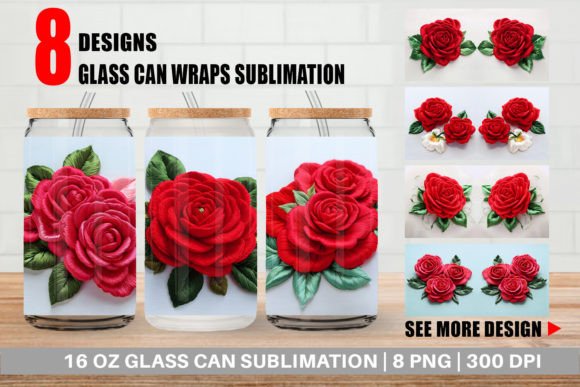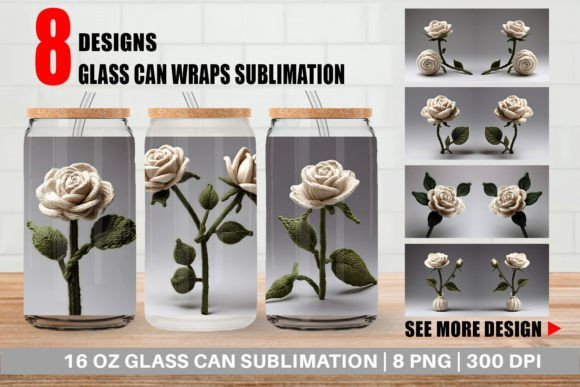
Glass Can Cat Embroidery Review
As an embroidery designer who spends hours tweaking stitch paths and testing thread combinations, I approach every new digital asset with a mix of excitement and skepticism. When Glass Can Cat Embroidery landed in my inbox, I didn’t just see a file; I saw potential inventory for my own boutique shop. The description promises a full wrap for the Libbey 16oz glass can, but as someone who creates personalized gifts for real people, I needed to know if this design translates well from a screen to a finished product that customers will cherish.
This review is based on my practical experience planning this design for a line of custom home goods. I wanted to understand its emotional appeal, its technical viability, and exactly which products would make this design shine. If you are an Etsy seller, a craft fair exhibitor, or a small business owner looking to expand your catalog, here is my honest take on how this design fits into a commercial workflow.
First Impressions: Mood and Emotional Appeal
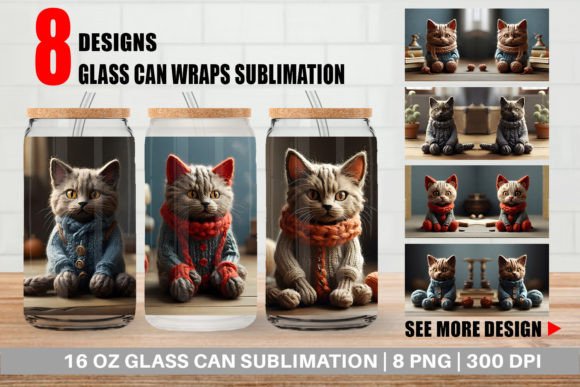
The moment I loaded the files, the charm of Glass Can Cat Embroidery was evident. It strikes a balance between playful and elegant. The illustration style feels modern yet timeless, avoiding the overly cute aesthetic that can feel dated quickly. Instead, it has a sophisticated whimsy that appeals to a wide demographic. For a buyer browsing online, this design screams "thoughtful gift."
It is sweet without being childish, making it perfect for nursery decor, but also stylish enough for a modern kitchen. The mood is warm and inviting. When I visualized this on a customer’s order, I immediately thought of two distinct audiences: new parents celebrating a birth or adoption, and cat lovers marking a special occasion like a wedding or housewarming. The design evokes a sense of comfort and joy, which is exactly what buyers want when purchasing a personalized gift. It feels handmade even before it is stitched, setting high expectations for quality.
Versatility in Personalized Gift Products
One of the strongest selling points of this design is its adaptability. While the product title specifies a "Full Wrap" for a glass can, the artistic merit of the artwork allows it to transcend its primary use case. In my planning phase, I tested several applications to see where this design could generate the most sales.
- Baby Embroidery: The soft lines and gentle theme make this ideal for baby blankets, muslin swaddles, and nursery wall art. Parents love unique items that aren't mass-produced, and this design offers a distinctive alternative to standard animal motifs.
- Kitchen Towels and Aprons: As a full wrap design, it naturally lends itself to kitchen textiles. An embroidered towel featuring this cat adds a touch of personality to daily routines. It works beautifully as a wedding gift for couples who enjoy cooking or entertaining.
- Pillow Covers and Tote Bags: The graphic nature of the illustration holds up well on larger surfaces. On a canvas tote bag, it becomes a statement piece. On a pillow cover, it adds texture and visual interest to a living room or bedroom.
- Wedding Keepsakes: Imagine these designs printed on custom packaging or used on a keepsake box. It adds a personal touch that elevates the perceived value of the item.
For the Etsy seller, this versatility means one digital purchase can fuel multiple listings. You can offer the design as a digital download for other creators, or sell the physical handmade product directly to consumers. This dual approach maximizes the return on investment for your creative efforts.
Technical Considerations and Fabric Compatibility
While the design is charming, not every fabric surface is created equal. As an experienced designer, I must warn you about specific areas where caution is required. The success of your finished product often depends on how well you match the design to the material.
Fabric Texture and Thickness: Thick terry cloth towels can obscure fine details. If your design includes delicate whiskers or subtle shading, a heavy weave might hide those nuances. Always test on scrap fabric first. Similarly, stretchy baby clothes require a stabilizer that provides enough support without feeling stiff against the skin. A cut-away stabilizer is usually best for knits to prevent distortion.
Curved Surfaces: Since this is a full wrap design, applying it to cylindrical objects like glass cans requires precision. If you are attempting to embroider this directly onto a curved surface, ensure your hoop setup allows for proper tension. If the fabric pucker, the illusion of the "wrap" will be broken. For beginners, applying this design to flat items like towels or pillowcases is safer and yields more consistent results.
Dark Fabrics: The design likely relies on contrast. On dark fabrics, you may need a underlay stitch or a white backing to make the colors pop. Without proper preparation, the design can look muddy or lost in the background. Always compare light and dark fabric mockups digitally before committing to production.
Impact on Giftability and Perceived Value
In the world of handmade goods, presentation is everything. A high-quality embroidered towel or a beautifully stitched pillow cover tells the customer that care was taken. Glass Can Cat Embroidery enhances this perception. Its detailed illustration suggests a premium product, allowing you to price your items higher than basic monogrammed goods.
When customers see a unique, well-executed design, they trust the maker more. They associate the quality of the stitching with the quality of your brand. This builds customer trust and encourages repeat purchases. Furthermore, designs like this are highly "photogenic." For an Etsy seller or social media marketer, a photo of this design on a rustic wooden table next to coffee beans or baby items will stop the scroll. It drives engagement and increases click-through rates because it looks professional and appealing.
Practical Embroidery Notes for Success
To ensure your projects run smoothly, follow these essential steps before starting any bulk production:
- Test on Scrap Fabric: Never go straight to the final product. Stitch the design on the exact same fabric you plan to sell. Check for puckering, color bleeding, and detail clarity.
- Check Thread Color Contrast: Ensure your chosen threads provide enough contrast against the fabric. Low-contrast combinations can make the design look unfinished.
- Confirm Hoop Size: Verify that the design dimensions fit comfortably within your machine’s hoop size. The product description notes a size of 9.7x4.9 inches, so ensure your equipment can accommodate this width.
- Review Stitch Density: High density can cause fabric stiffness, while low density might show the backing material. Adjust settings if necessary to achieve a balanced hand-feel.
- Use Proper Stabilizer: Match your stabilizer to the fabric weight. Heavy towels need heavy stabilizers; delicate baby blankets need lightweight tear-away or wash-away options.
- Check Small Details: Zoom in on your digitizing software. Are the tiny elements too small to stitch clearly? If so, consider resizing or simplifying the design.
- Verify Commercial Licensing: Before selling any commercial embroidery products, double-check the license terms included with the digital embroidery file. Ensure you are allowed to sell the finished goods.
Final Thoughts
Glass Can Cat Embroidery is a versatile, emotionally resonant design that offers great potential for makers in the illustrations and graphics space. Whether you are creating custom embroidery for babies, weddings, or home decor, this design adds a layer of sophistication and warmth. By paying attention to fabric choice, stabilization, and finishing techniques, you can create stunning small shop products that stand out in a crowded market. It is a smart addition to any designer’s toolkit, offering both aesthetic appeal and commercial viability.