Mug Bunny Easter Embroidery Review
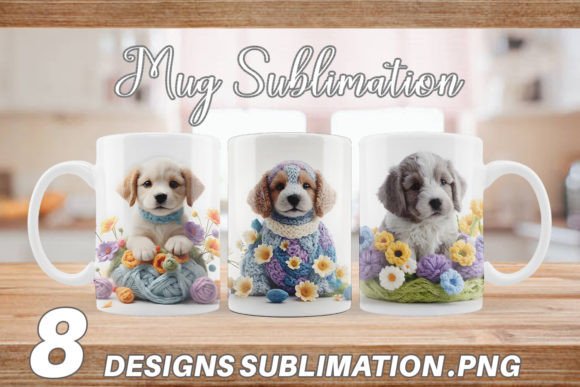
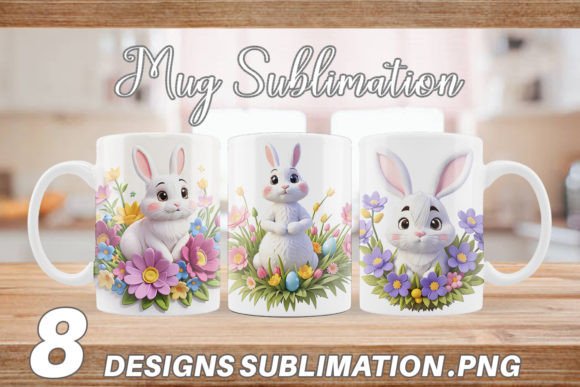
As an embroidery designer who has spent years turning digital concepts into tangible brand assets, I approach every new design file with a mix of creative enthusiasm and practical scrutiny. When Mug Bunny Easter Embroidery landed on my desk, my first thought wasn’t just about the holiday aesthetic, but about its viability as a commercial asset for small business owners, Etsy sellers, and boutique merch creators. The product description highlights that this is part of a sublimation pack containing eight unique PNG files, which immediately signals a need for careful evaluation. While the source files are raster-based illustrations intended for sublimation printing, their visual composition offers valuable insights for how they might be adapted or represented in machine embroidery projects, patches, and branded goods.
First Impressions: Visual Personality and Professionalism
The title Mug Bunny Easter Embroidery suggests a playful, seasonal theme that blends the comfort of coffee culture with the whimsy of spring. From a design perspective, this combination has strong potential for brands that want to appear friendly, approachable, and festive without sacrificing professionalism. In the world of handmade products and small business merch, visual personality is currency. A design that feels too corporate can alienate craft-focused audiences, while one that is too chaotic can look unpolished.
Based on the nature of these design assets, the imagery likely strikes a balance between modern illustration and classic charm. For a café, bakery, or florist, this type of artwork serves as a perfect bridge between traditional service industries and trendy, gift-worthy merchandise. It feels premium enough for high-end packaging accents yet accessible enough for casual tote bag designs. The inclusion of "Mug" implies a focus on lifestyle and daily rituals, making it highly relatable for customers who value their morning routines. This emotional connection is crucial for building customer trust and recognition, as buyers often purchase branded items not just for utility, but for the story and vibe the brand represents.
Real-World Business Applications
So, how does Mug Bunny Easter Embroidery translate from a digital graphic to a physical product? Let’s look at specific use cases where this design could drive revenue and enhance brand identity.
- Embroidered Patches: One of the most versatile applications for seasonal graphics is the embroidered patch. Small businesses often use patches to create limited-edition merchandise or staff uniforms. If digitized correctly, the clean lines of an illustration like this can hold up well on denim jackets, canvas totes, or felt bags. It adds a tactile element that pure print cannot match, elevating the perceived value of the finished product.
- Apron Embroidery: For bakeries, cafes, and culinary instructors, custom aprons are essential branding tools. Placing a subtle, well-composed graphic on the chest pocket or lower hem of a white or neutral apron can reinforce brand visibility during events or workshops. The Easter theme makes it particularly timely for spring pop-up markets or brunch promotions.
- Cap Embroidery: Branded caps remain a staple in merch kits. However, complex illustrations require careful placement. A simplified version of the bunny and mug motif works beautifully on the front panel of a structured cap, offering a professional look that aligns with uniform standards while still feeling festive.
- Tote Bag Design: Canvas totes are perhaps the most common vehicle for small business branding. While the original files are PNGs for sublimation, the composition can inspire screen-printed or embroidered accents on tote bags. A small, focused placement near the handle or on a leather patch attached to the bag can serve as a sophisticated logo accent.
- Product Packaging Accents: Beyond apparel, these design assets can be used to create printable labels or tags that attach to handmade products. Imagine a sticker or hang tag featuring the bunny and mug, attached to a jar of honey or a box of chocolates. This extends the brand experience beyond the item itself, creating a cohesive unboxing moment.
Strategic Considerations for Commercial Use
While the visual appeal is clear, there are critical technical considerations when adapting illustration-based assets for embroidery or other production methods. Since the product is described as a sublimation pack of PNG files, it is vital to understand the limitations before committing to production.
Stitch Density and Detail: Illustrations often contain fine details and gradients that do not translate directly to thread. High stitch density can cause fabric puckering, especially on lightweight materials like tees or thin totes. Designers must simplify outlines and reduce intricate shading when converting such graphics into an embroidery file. Testing the design at actual size is non-negotiable to ensure that tiny elements don’t disappear or clump together.
Fabric Texture and Contrast: The choice of fabric dramatically affects the final look. On textured fabrics like raw canvas or heavy denim, fine lines may get lost. Conversely, smooth cotton allows for sharper definition. Thread color contrast is equally important; light pastel threads on dark uniforms will lack visibility, while bold colors might overwhelm a delicate illustration. Always inspect spacing and confirm that the design remains legible across different material types.
Hoop Size and Stabilizer: Before running any production batch, confirm the required hoop size based on the desired placement. Larger designs may require multi-hooping, which increases labor time and potential alignment errors. Using the proper stabilizer is also key to maintaining shape integrity, particularly for curved surfaces like caps or sleeves.
Impact on Brand Identity and Customer Engagement
Incorporating thematic designs like Mug Bunny Easter Embroidery into your product line does more than just add decoration; it communicates seasonality and care. Customers appreciate when brands pay attention to cultural moments and holidays. It shows that you are present, relevant, and attentive to detail. This attention to detail fosters a sense of professionalism and reliability, encouraging repeat purchases.
Furthermore, using consistent design assets across various touchpoints—whether it’s a social media post, a website banner, or a physical patch—strengthens brand identity. When a customer sees the same bunny motif on a tote bag, a hat, and a printed label, the brand becomes more memorable. This visual consistency builds trust over time, transforming casual buyers into loyal advocates.
Practical Designer Notes for Production
If you are planning to use this design concept for commercial projects, here are some essential steps to ensure success:
- Test in Black and White: Convert the design to grayscale to check contrast and readability. If it doesn’t work in monochrome, it won’t work in color.
- Create a Printable Mockup: Before investing in bulk production, create a realistic mockup. This helps visualize how the design interacts with the texture of the fabric and the lighting of the environment.
- Review Thread Color Options: Select thread colors that complement the original illustration’s palette. Ensure there is sufficient contrast between the thread and the base fabric.
- Confirm Licensing: Since this is a digital asset pack, verify the commercial licensing terms. Ensure you have the right to use the design on physical goods for resale. Do not assume standard personal use licenses cover commercial embroidery.
- Compare with Other Assets: Evaluate how this design fits within your existing library of design assets. Does it clash with your current style guide, or does it enhance it?
Ultimately, Mug Bunny Easter Embroidery represents a smart opportunity for small businesses looking to capitalize on seasonal trends. By understanding its strengths as a visual asset and respecting the technical requirements of production, designers and entrepreneurs can create high-quality, engaging merchandise that resonates with customers. Whether used for staff uniforms, limited-edition patches, or branded packaging, this design has the potential to elevate your small business merch game while maintaining a professional and polished appearance.