Nemo Fish Embroidery Digitizing Design Review
As an embroidery designer who spends most of my days troubleshooting stitch paths and optimizing digitizing for commercial production, I approach every new download with a healthy dose of skepticism. The market is flooded with designs that look beautiful in the preview window but fail miserably when they hit the hoop. Recently, I came across the Nemo Fish Embroidery Digitizing Design on Creative Fabrica and decided to put it through its paces. I wasn’t just looking at the visual appeal; I was evaluating whether this file could survive the rigors of real-world application for handmade products, Etsy listings, and boutique merchandise.
This review is not just about how cute the character looks. It is about functionality, durability, and value. If you are a small business owner or a crafter looking to add ocean-themed items to your shop, here is my honest take on using this design for actual projects.
First Impressions: Visual Mood and Detail Level
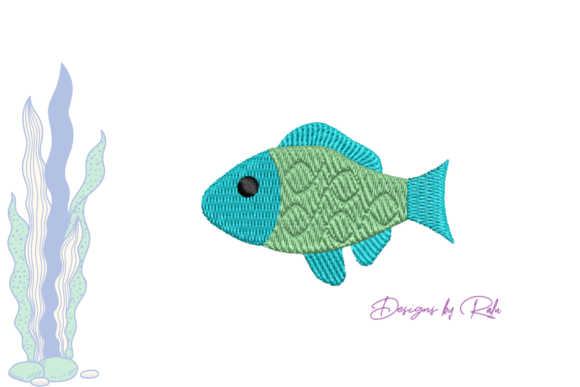
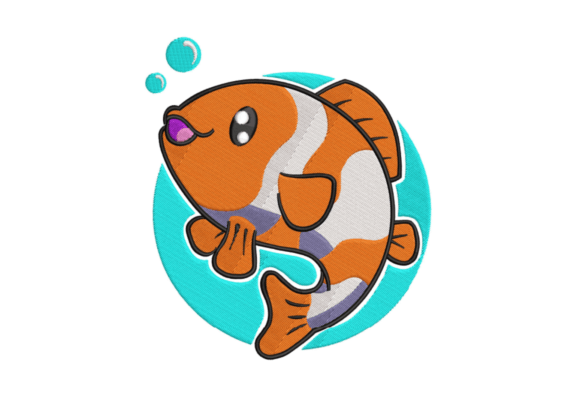
The moment you open the file, the first thing that strikes you is the dynamic pose. The fish is depicted with a curved body, giving the impression that it is actively swimming rather than floating statically. This sense of motion is crucial in embroidery because it adds personality to the finished product. For a handmade product, especially one intended as a personalized gift, that little bit of character can make all the difference between a generic item and something that feels special.
The color palette is bright and cheerful, utilizing high-contrast threads that pop against both light and dark backgrounds. In my experience, colors that are too muted often get lost in the texture of fabrics like fleece or heavy cotton canvas. This design, however, seems to maintain its vibrancy. The details are clean, suggesting a well-executed digitization process where satin stitch edges are likely smooth and fill stitches are uniform. For those of us who care about brand consistency and professional presentation, this level of polish is exactly what we need to justify a higher price point to our customers.
Real-World Application: Where Does This Fit?
I have been considering several potential uses for this machine embroidery design. The versatility of the Nemo fish motif makes it suitable for a wide range of categories. Here is how I see it performing in specific scenarios:
- Baby Items: A soft onesie or a nursery wall hanging benefits greatly from playful themes. The gentle curves and friendly face of the fish make it an excellent choice for a baby blanket or a crib mobile accent. Parents love items that are visually stimulating yet safe-looking.
- Kitchen Textiles: I tested the concept mentally on kitchen towels and aprons. The bright colors would bring a splash of joy to a dull kitchen. However, for items that undergo frequent washing, the durability of the stitch work becomes paramount.
- Apparel Decor: Whether it is a sweatshirt embroidery project or a casual t-shirt, this design works well as a chest pocket placement or a larger back print. It pairs nicely with denim and neutral tones, allowing the fish to be the focal point.
- Accessories: A tote bag design featuring this fish could easily become a bestseller at craft fairs. The sturdy nature of tote bags usually handles embroidery well, provided the stabilizer is chosen correctly. Additionally, an embroidered patch version could be applied to caps or backpacks for a trendy, customized look.
Practical Considerations for the Embroidery Designer
While the visual appeal is strong, any experienced embroiderer knows that the devil is in the details. Before committing this digital embroidery file to a final product, there are several technical aspects you must evaluate.
Stitch Density and Hoop Size: One of the biggest pitfalls in digitizing is excessive density, which can cause puckering, especially on lightweight fabrics. You need to check the stitch density of this design. If the fill stitches are too tight, the fabric may pucker around the edges of the fish. Conversely, if the density is too low, the underlying fabric might show through, ruining the finished product aesthetic. Always confirm the recommended hoop size to ensure it fits your machine’s capabilities and the dimensions of your blank item.
Fabric Compatibility: This design may perform differently on various materials. On stretchy fabrics like jersey knit, proper stabilization is non-negotiable. Without a cut-away stabilizer, the tension of the running stitch and fill stitch could distort the garment. On textured fabrics like terry cloth (think bath towels), you might need to adjust the hooping technique to ensure the needle penetrates properly without skipping stitches. Dark fabrics will require careful selection of thread colors to ensure contrast, whereas light fabrics offer more flexibility.
Small Details and Lettering: If the design includes any text or very fine lines, inspect them closely on your screen. Tiny lettering can sometimes become illegible after stitching, particularly if the thread breaks or if the machine tension is slightly off. For a custom apparel order, clarity is key. If the details are too small, consider scaling the design up, but be aware that this might affect the aspect ratio.
Enhancing Product Value and Buyer Trust
In the world of online selling, particularly on platforms like Etsy, photography plays a huge role in conversion. A well-digitized design like the Nemo fish allows for better printable mockup creation. When your photos show crisp, vibrant embroidery without loose threads or misaligned stitches, it builds immediate buyer trust. Customers associate high-quality execution with reliability.
Furthermore, using a design that has clear artistic merit helps elevate your brand. It signals that you curate your design assets carefully. When customers receive a personalized gift that looks professionally made, they are more likely to leave positive reviews and recommend your shop to others. This creates a cycle of engagement that is vital for commercial embroidery businesses.
Final Verdict and Next Steps
The Nemo Fish Embroidery Digitizing Design appears to be a solid addition to any digital library, particularly for those focusing on children’s items, summer-themed goods, or general ocean decor. Its dynamic pose and colorful nature make it visually engaging, and the digitization seems robust enough for everyday use.
However, before you start mass-producing, please remember to:
- Test on Scrap Fabric: Never run a new design directly onto a customer’s item. Test it on similar fabric types to check for puckering, thread breakage, or color bleeding.
- Check Licensing: Visit the Creative Fabrica product page to review the specific license terms. Ensure you are permitted to sell physical items made from this design. Licensing varies widely, and compliance is essential for protecting your business.
- Inspect File Details: Verify the supported formats and machine compatibility. Not all files work seamlessly with every embroidery machine model.
- Evaluate Thread Colors: Compare the design against your available thread spools. Sometimes the digital representation differs slightly from the physical thread, so adjusting the color mapping might be necessary for optimal contrast.
If you are looking to add a touch of whimsy and professionalism to your inventory, this design is worth downloading and testing. Just do your due diligence on the technical side, and you will likely find it serves your creative and commercial needs well.