Sphynx Cat Portrait Embroidery Review
As an experienced embroidery designer who has spent years digitizing patterns and testing them on everything from heavy denim to delicate silk, I approach every new machine embroidery design with a critical eye. When I first encountered the Sphynx Cat Portrait Embroidery, Animal, my initial thought was not just about its aesthetic appeal, but about its viability for commercial application. In today’s market, small business owners need more than just a cute image; they need assets that translate beautifully into physical products while maintaining brand integrity. This review breaks down how this specific embroidery file performs in real-world scenarios, focusing on its potential for branded merchandise, staff uniforms, and high-value handmade goods.
First Impressions: Visual Personality and Brand Fit
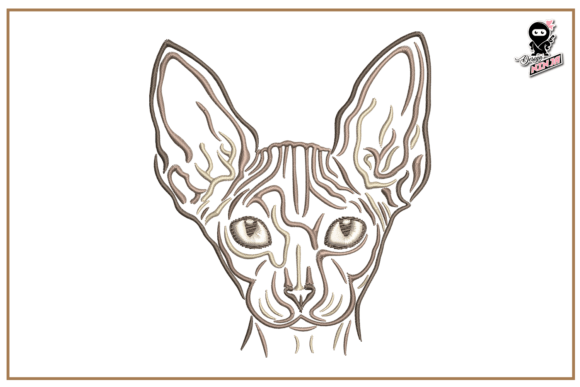
The title alone suggests a unique subject matter. Sphynx cats are distinct, often associated with elegance, uniqueness, and a touch of whimsy. From a design perspective, this portrait likely balances bold outlines with detailed textural work to capture the hairless skin’s unique characteristics. For a small business, particularly one in the pet industry, a creative studio, or a boutique café, this design offers a personality that is both friendly and sophisticated. It avoids being overly childish, making it suitable for adult audiences as well as children.
When evaluating any digital embroidery file, the first step is visual assessment. Does the design feel premium? Does it look like a mass-produced sticker, or does it have the depth and dimensionality of quality threadwork? The Sphnxy Cat Portrait appears to lean towards a modern, clean aesthetic. This makes it highly versatile for brand identity purposes. It can serve as a subtle accent on a minimalist tote bag or stand out as the focal point of a custom apron. The key here is versatility; a good design asset must work across multiple product categories without losing its impact.
Real-World Business Applications
Let’s move beyond theory and discuss where this design truly shines in a commercial setting. Small businesses are constantly looking for ways to increase perceived value through custom apparel and branded goods. Here is how the Sphynx Cat Portrait Embroidery, Animal can be integrated into various product lines:
- Embroidered Patches: One of the most popular uses for animal portraits is creating iron-on or sew-on patches. These are excellent for small business merch such as denim jackets, beanies, and backpacks. The distinct shape of a cat portrait lends itself well to patch borders, allowing you to create a cohesive line of accessories for your customers.
- Staff Uniforms and Aprons: For bakeries, florists, or pet boutiques, uniformity is key. A chest logo featuring this cat portrait adds a personal touch that standard corporate logos lack. It signals to customers that this is a handmade, care-driven business. Apron embroidery in particular benefits from central placement, where the detail of the portrait can be fully appreciated by the wearer and the customer.
- Caps and Headwear: Cap embroidery requires designs that are compact yet legible. If the portrait is digitized correctly, it works beautifully on the front panel of baseball caps or structured hats. This is a staple item for craft fairs, trade shows, and everyday promotional wear.
- Tote Bags and Product Packaging: Canvas totes are a favorite among Etsy sellers and eco-conscious brands. A single, well-placed embroidered cat on a natural canvas bag elevates the item from a simple utility object to a fashion statement. It also serves as a memorable take-home gift for customers, extending your brand reach long after the purchase is made.
- Boutique Merchandise: Think beyond clothing. This design can be applied to pillowcases, tea towels, and even cosmetic bags. The handmade product feel is enhanced by the tactile nature of embroidery, distinguishing your items from printed competitors.
Strategic Placement for Maximum Impact
Where you place the design matters as much as the design itself. For a professional look, consider placing the Sphynx Cat Portrait on the left chest area of work shirts for a classic, understated logo effect. Alternatively, centering it on the back of a hoodie or the front of a tote bag allows the full detail of the artwork to breathe. Consistency in placement helps build visual consistency across your product line, which is crucial for establishing trust and recognition.
Technical Considerations and Potential Pitfalls
While the artistic vision is strong, an experienced designer knows that execution is everything. There are several areas where this design might face challenges if not handled with care. Understanding these limitations will save you time, money, and frustrated customers.
First, consider the stitch density. Sphynx cats have fine details in their facial features—eyes, ears, and wrinkles. If the digitization is too dense, the fabric may pucker, especially on lightweight materials. Conversely, if it is too sparse, the design may look thin and cheap on thicker fabrics like fleece or heavy cotton. You must test the design on the actual fabric you intend to use.
Second, think about scale. Can this design work as a tiny patch? If the details are intricate, shrinking the design down to a 2-inch patch may result in muddy threads where colors bleed together. Always create a printable mockup at the intended production size before committing to bulk runs. If the eyes or whiskers disappear at small sizes, you may need to simplify the digitization for smaller applications.
Additionally, color contrast is vital. On dark uniforms or black tote bags, light thread colors are essential for visibility. Ensure that your chosen thread colors provide enough contrast against the base fabric. Dark fabrics often require a heavier underlay or a different stabilizer choice to prevent the stitches from sinking into the weave.
Fabric and Stabilizer Selection
The choice of stabilizer plays a huge role in the final outcome. For stretchy knits used in t-shirts and caps, a cut-away stabilizer is non-negotiable to prevent distortion over time. For woven fabrics like canvas or denim, a tear-away may suffice for lighter designs, but a wash-away might be better for complex backgrounds. Always inspect the fabric texture before hooping; rough textures can snag needles or distort the stitch path.
Building Trust Through Quality Execution
In the world of online sales and local branding, your merchandise is often the first physical interaction a customer has with your business. High-quality embroidery signals professionalism and attention to detail. A poorly executed design, with loose threads, misaligned hoops, or faded colors, can undermine the brand identity you have worked hard to build. By choosing a well-digitized commercial embroidery file like the Sphynx Cat Portrait and executing it properly, you demonstrate that you value quality.
This perception directly affects customer trust and buyer engagement. When a customer sees a crisp, beautiful embroidery on a tote bag or apron, they perceive higher value in the product. They are more likely to share photos on social media, providing free marketing for your business. The emotional connection people have with cats further amplifies this effect; a well-done cat portrait invites comments, likes, and conversations, turning a simple piece of merchandise into a community builder.
Practical Designer Notes for Production
Before you start producing, follow these essential steps to ensure success:
- Test in Black and White: Convert the design to monochrome to check the balance of solid fills versus negative space. This helps identify areas that might be too crowded.
- Check Hoop Size: Confirm that the design fits within your machine’s maximum hoop size. If you plan to embroider large items like blankets or wide tote bags, ensure the design can be broken down or stitched in sections if necessary.
- Review Thread Contrast: Lay out your thread spools next to the fabric swatch. Ensure there is sufficient contrast for all elements of the design to remain visible.
- Inspect Spacing: Zoom in on the digitized file (if available) or examine the sample closely. Are there any isolated stitches that might break easily? Is the spacing between colors adequate to prevent bleeding?
- Confirm Commercial Licensing: This is critical. Before selling any products featuring this design, verify that you have the correct commercial license. Using a digital file for resale without proper rights can lead to legal issues.
- Create Client Mockups: Use digital tools to place the embroidery on realistic product images. This helps visualize the final result and is invaluable for client approvals or marketing materials.
Ultimately, the Sphynx Cat Portrait Embroidery, Animal is a strong candidate for small business use due to its distinctive character and broad appeal. However, its success depends entirely on the quality of the digitization and the care taken during production. By treating it as a serious design asset rather than just a decorative element, you can create finished products that elevate your brand and delight your customers. Remember to always test on real fabric, choose the right stabilizer, and maintain high standards of craftsmanship. Your reputation, much like the intricate details of a Sphynx cat, relies on precision and care.