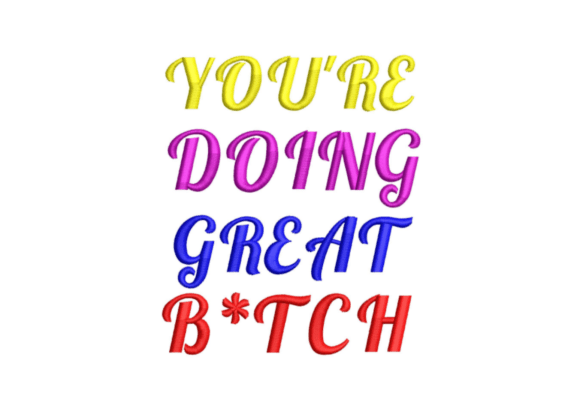
You’re Doing Great Embroidery Digitizing Review
As a designer who has spent years evaluating digitized files for both personal hobby projects and commercial client work, I have learned to look past the glossy preview image. The true test of any embroidery file is how it behaves on the hoop, how it holds up after washing, and whether it translates the intended emotion into tangible thread. Today, I am putting the You’re Doing Great Embroidery Digitizing design through that same rigorous mental stress test. This piece falls squarely into the Inspirational category, but in my experience, inspirational designs often fail because they rely too heavily on sentiment without considering structural integrity. Does this design balance visual warmth with technical feasibility? Let’s dig into the practical realities of using this machine embroidery design in real-world scenarios.
First Impressions and Visual Personality
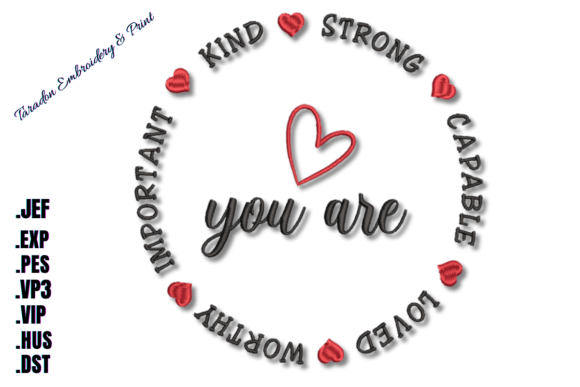
The moment you load the file into your digitizing software, the layout speaks volumes. The title suggests encouragement, and visually, the design aims to deliver exactly that. It is described as having a "riot of colors" and "remarkable intricacies." From a reviewer’s standpoint, this immediately raises questions about stitch density and thread consumption. A design that promises vibrance must also promise clarity. If the stitch density is too high, the fabric will pucker; if it is too low, the backing will show through, ruining the professional finish.
The mood created by You’re Doing Great Embroidery Digitizing is undeniably uplifting. It feels like a warm hug stitched into fabric. The intricate details suggest that this is not a simple text-based patch but a composition meant to be admired up close. For an Etsy seller or a small shop product creator, this level of detail adds perceived value. Customers are willing to pay more for items that look complex and thoughtfully designed. However, complexity requires precision. The design likely utilizes a mix of satin stitch for outlines or lettering and fill stitch for background elements or decorative accents. Understanding this interplay is crucial before committing to production.
Real-World Application: Where This Design Shines
I recently considered using this design for a custom order—a personalized gift for a new mother. In this scenario, the emotional resonance of the message combined with the colorful intricacy makes it a perfect candidate. When digitizing for baby embroidery, safety and softness are paramount. If the back of the stitching is left with excessive underlay or dense satin lines, it can irritate delicate skin. Assuming the digitizer has balanced the underlay correctly, this design would excel on a soft cotton onesie or a muslin swaddle blanket.
Beyond baby items, I see strong potential in the realm of custom apparel. Specifically, this design would perform beautifully on a structured tote bag. Tote bags provide a large, flat canvas that allows the "riot of colors" to breathe without distortion. Unlike stretchy knit fabrics where designs can warp, woven cotton or canvas stabilizes the embroidery project, allowing the running stitch and detailed fills to remain crisp. Similarly, for kitchen towel or tea towel products, the cheerful nature of the design fits the domestic aesthetic perfectly. It transforms a utilitarian item into a piece of home decor.
For commercial embroidery purposes, such as boutique branding or craft fair merchandise, this design offers versatility. It works well as an embroidered patch that can be ironed or sewn onto denim jackets or backpacks. The intricate nature means it stands out even from a distance, which is critical for grabbing attention at a busy market stall. Furthermore, its positive message makes it an ideal choice for holiday embroidery gifts, particularly around times when people need a morale boost, such as during the winter holidays or back-to-school seasons.
Technical Challenges and Areas for Caution
No design is flawless, and You’re Doing Great Embroidery Digitizing is no exception. The very intricacy that gives it character also presents challenges. If you attempt to stitch this on a small hoop size, you risk losing fine details. Tiny curves and tight corners may merge together, creating a muddy appearance rather than distinct shapes. Therefore, it is essential to confirm the recommended hoop size before starting. Rushing into a smaller frame to save time or material will compromise the final output.
Fabric selection is another critical factor. While this design looks vibrant on a digital mockup, actual results depend heavily on thread colors and fabric texture. On dark fabrics, the lighter threads might get lost unless a heavy white underlay is used, which can add bulk. Conversely, on textured fabrics like terry cloth or heavy wool, the needle penetration might struggle, leading to skipped stitches or misaligned registration. I strongly advise against using this design on thin, sheer, or highly stretchy materials without proper stabilization. Even then, the result may lack the crispness required for a premium handmade product.
Another consideration is durability. Designs with high color counts and intricate details require frequent washing care. If the customer plans to wash the item regularly, loose threads in complex areas may snag. This is particularly relevant for sweatshirt embroidery or activewear, where friction is constant. For these applications, a simpler, bolder design might be more practical, whereas You’re Doing Great Embroidery Digitizing is better suited for items that receive moderate wear and care, such as wall hangings, pillows, or occasional-use totes.
Practical Designer Notes for Success
To ensure the best outcome when working with this file, follow these practical steps:
- Test on Scrap Fabric: Always run a test stitch-out on the exact fabric type you plan to use. This reveals issues with tension, thread breakage, or color contrast before you commit to the final piece.
- Check Stabilizer Compatibility: Depending on your fabric, you may need cut-away or tear-away stabilizer. For stretchy knits, a cut-away is non-negotiable to prevent distortion over time.
- Inspect Small Details: Zoom in on the digital preview. Are there tiny isolated stitches that might float and fray? If so, consider adding trim stitches or adjusting the path in your digitizing software.
- Verify Licensing: Before selling finished items or using this as part of a digital product package, confirm the license terms. Commercial rights vary widely, and assuming inclusion can lead to legal issues.
- Mockup in Black and White: Convert your design preview to grayscale to check contrast levels. If the design relies on subtle color shifts that disappear in monochrome, it may lack visual impact in certain lighting conditions.
Final Verdict on Product Value and Appeal
Ultimately, You’re Doing Great Embroidery Digitizing is a strong asset for any creative entrepreneur looking to expand their design assets library. Its primary strength lies in its emotional connection. In a market saturated with generic patterns, a design that explicitly encourages and uplifts resonates deeply with buyers. This emotional hook drives engagement and fosters trust in your brand as a maker who cares about the recipient’s feelings.
However, success depends entirely on execution. The design demands respect for its technical requirements. It is not a "set it and forget it" file for beginners unfamiliar with stitch density management or fabric behavior. For experienced embroiderers and craft business owners who know how to prepare their machines and stabilize their fabrics, this design offers a high return on investment. It elevates a simple finished product into a keepsake, justifying a higher price point and encouraging repeat customers.
If you are an Etsy seller or apparel decorator seeking to add a touch of warmth and professionalism to your inventory, this file is worth considering. Just remember to manage expectations regarding fabric limitations and always prioritize quality control. When done right, the result is not just an embroidered item, but a tangible expression of support that customers will cherish. For those who appreciate the nuance of digitization and the joy of handmade goods, You’re Doing Great Embroidery Digitizing delivers on its promise of vibrancy and intricacy, provided it is treated with the technical care it deserves.