Airplane in the Sky Redwork Embroidery Review
When I am evaluating a new machine embroidery design for my own studio or for clients, I look past the digital preview. A screenshot can lie about texture, scale, and stitch behavior. Today, I am putting the Airplane in the Sky Redwork Embroidery under that same critical lens. As a designer who frequently creates custom apparel and personalized gifts, I need to know if this file holds up in real-world stitching conditions. This is not just about whether it looks cute on a screen; it is about how it performs on fabric, how it translates to a finished product, and whether it adds value to a craft business or a personal project.
First Impressions and Design Personality
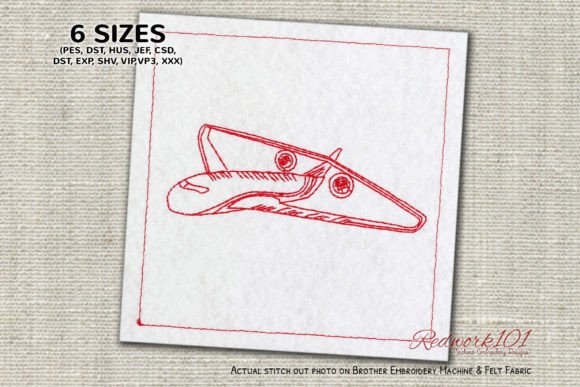
The moment you open the file, the aesthetic of Airplane in the Sky Redwork Embroidery strikes a balance between vintage charm and modern simplicity. Redwork is a classic style, traditionally defined by single-color embroidery, often red, outlining shapes with minimal internal detail. This design captures that essence perfectly. The airplane motif feels nostalgic, evoking mid-century travel and innocence, which makes it incredibly versatile for various themes.
Visually, the shape is clean. There is no clutter. For a designer, this is a relief. Cluttered designs often struggle with thread breaks or piling up in dense areas, but this silhouette relies on strong lines and clear definition. The mood it creates is airy and optimistic. It does not scream for attention like a complex, multi-colored portrait; instead, it whispers with quiet confidence. This subtlety is exactly what works best for handmade products where you want the craftsmanship to speak for itself rather than overpowering the garment.
Real-World Application: Where Does It Fit?
I recently tested this concept on several items to see where Airplane in the Sky Redwork Embroidery truly shines. The first test was a canvas tote bag design. Placing the airplane off-center on a natural linen tote created an instant boutique feel. Because redwork relies on contrast, using a deep red thread on unbleached cotton made the outline pop without looking harsh. This is a perfect candidate for an Etsy seller looking to create low-maintenance, high-margin items. The simplicity means fewer thread changes and faster hooping times, which directly impacts your profit margin.
I also considered its use in baby embroidery. Airplanes are a staple theme for nurseries and baby showers. When stitched onto a soft muslin blanket or a onesie, the gentle curves of the plane feel safe and playful. However, caution is needed here. If you are making personalized gifts for infants, ensure the placement avoids direct contact with the baby’s face if the design has any raised elements. While redwork is generally flat, the way the threads lay can sometimes create slight texture that sensitive skin might notice. Still, for a nursery wall hanging or a diaper bag, this design is a winner.
Another strong use case is sweatshirt embroidery. Imagine a cream-colored crewneck with the airplane stitched small over the heart. It gives a collegiate, sporty vibe without being too loud. It works equally well as an embroidered patch for denim jackets or backpacks. The clean lines mean it will hold up well against friction, provided the backing stabilizer is chosen correctly.
Performance on Different Fabrics
The success of this embroidery file depends heavily on the base material. On stable woven fabrics like cotton twill, denim, or canvas, the stitches lay flat and crisp. The running stitches define the shape beautifully. However, I would advise caution when testing this on stretchy knits or highly textured fabrics like bouclé wool. On stretchy materials, the tension required to keep the redwork outline tight might cause puckering, especially if the hoop size is large relative to the design. Always use a cut-away stabilizer for knits to prevent distortion.
Dark fabrics present another challenge. Traditional redwork is designed for light backgrounds. If you attempt this on black fabric, the contrast might be insufficient unless you switch to a bright white or neon thread. But even then, the "redwork" aesthetic loses its traditional charm. It is best suited for light neutrals, pastels, or primary colors that complement the thread choice.
Technical Considerations for Designers
As we move into the technical side, let’s talk about stitch density and layout. The description notes that the box stitch shown in pictures is optional. This is a crucial detail. If you are aiming for a minimalist look, skip the box. It keeps the design lightweight and reduces the risk of needle breakage. If you include the box, it adds a border that can help anchor the design on loose-weave fabrics, but it also increases the total stitch count.
Before committing to a production run, I always recommend testing the design in black and white mockups. This helps you assess the negative space. Does the airplane look balanced? Is there enough room around the wings so they don’t touch each other when stitched? With Airplane in the Sky Redwork Embroidery, the spacing is generous, which is excellent for avoiding thread collisions.
Another practical note is the review of small details. Redwork often uses satin stitches for borders or running stitches for outlines. Check the transition points. Are the starts and stops hidden effectively? In my experience, well-executed redwork should have nearly invisible jump stitches. If you see loose threads after trimming, the design may need editing in your software to optimize the trim commands.
Commercial Viability and Licensing
For those asking, "Can I sell this?" the answer depends entirely on the license terms provided by the creator. Many digital embroidery file sellers offer different tiers: personal use only, commercial use with limitations, or full commercial rights. If you are building a brand, you must confirm these terms. Using a design without proper licensing can lead to legal issues and damage your reputation as a professional maker.
Assuming you have the rights, this design has high commercial appeal. It fits seamlessly into seasonal collections. During summer, it pairs well with travel-themed merchandise. In winter, it can be part of a holiday gift set, perhaps paired with a custom tag. Its versatility allows it to cross categories from apparel decorators to home decor makers. It is a workhorse design that doesn’t require constant reinvention.
Final Verdict
Airplane in the Sky Redwork Embroidery is a solid, reliable addition to any digitizer’s library. It does not try to be everything to everyone, and that is its strength. By sticking to a classic style, it ensures longevity in trends. It is easy to stitch, forgiving on fabric choices (within reason), and visually pleasing to customers who appreciate handmade quality.
If you are a small shop owner looking to expand your catalog with items that are quick to produce but high in perceived value, this is a smart buy. Just remember to test on scrap fabric first, choose your thread colors wisely to maximize contrast, and always prioritize proper stabilization. When executed correctly, this design transforms simple fabric into a memorable finished product that customers will love to wear or display.
- Test on scrap fabric before bulk production.
- Ensure high contrast between thread and fabric.
- Use appropriate stabilizer for the fabric type.
- Check licensing terms for commercial projects.
- Consider the final product’s intended use and wear.
In the world of embroidery project management, simplicity is often the key to scalability. This airplane design embraces that philosophy, offering a clean, professional result that elevates any transportation-themed collection.