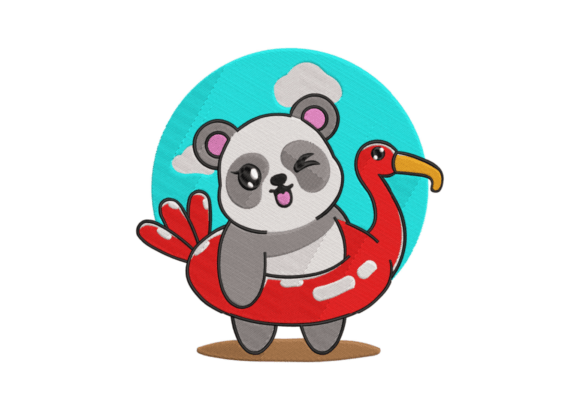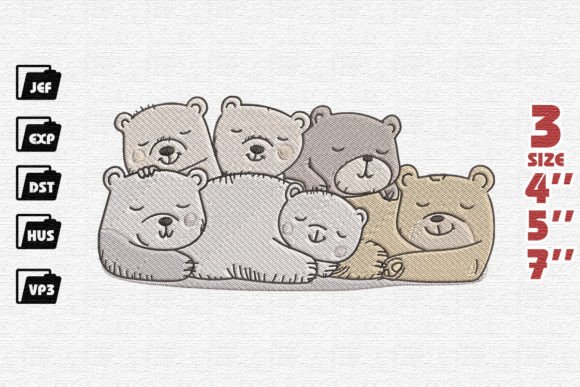
Cute Animals, Family Embroidery Review
As an embroidery designer who has spent years translating digital concepts into tangible thread, I approach every new machine embroidery design with a critical eye. For small business owners, Etsy sellers, and merch creators, the difference between a craft project and a professional product often lies in the details of the file itself. Today, I am reviewing the Cute Animals, Family Embroidery design to determine its viability for branded merchandise, custom apparel, and commercial embroidery projects.
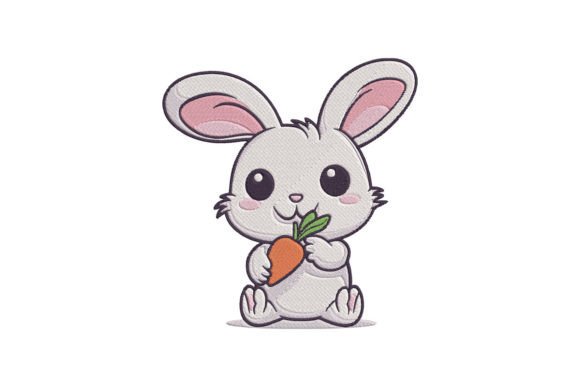
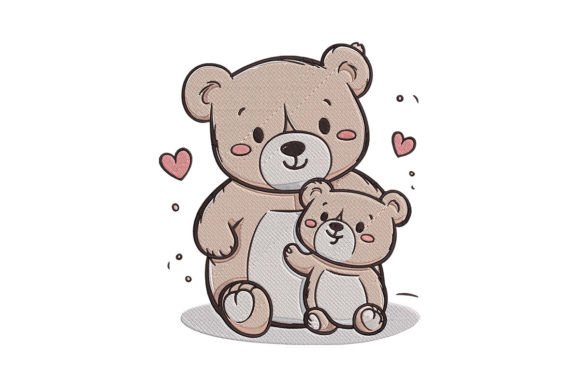
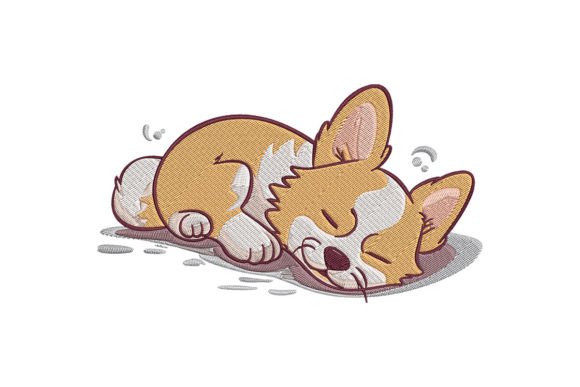
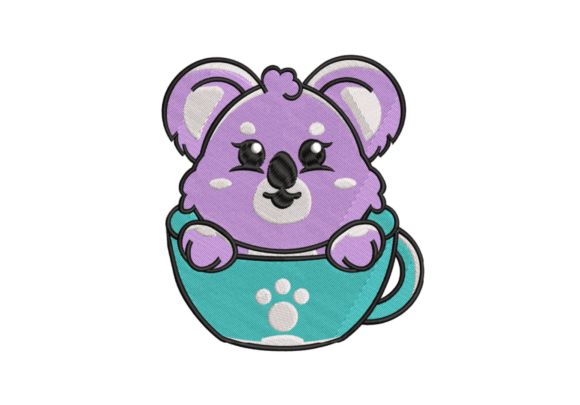
The premise is simple: a versatile design featuring baby animals that can be applied to pillows, tote bags, jackets, or framed artwork. But does it hold up when we move from a decorative hobbyist context to a high-volume, brand-focused production environment? Let’s dive into the practical applications, potential pitfalls, and brand impact of this specific embroidery file.
First Impressions: Visual Personality and Brand Fit
When loading the digital embroidery file into my digitizing software, the first thing I assess is the visual weight and personality. The title, Cute Animals, Family Embroidery, suggests a playful, warm, and approachable aesthetic. This is not a minimalist corporate logo; it is a character-driven design intended to evoke emotion.
For brands in the nursery, pet care, bakery, or handmade gift sectors, this visual language is potent. It communicates friendliness and trust. However, "cute" can easily tip into "childish" if the stitch density or color palette is not managed correctly. In a professional setting, you want your merchandise to feel premium, even if the subject matter is whimsical. The versatility mentioned in the description—ranging from soft goods like pillows to structured items like jackets—suggests that the design likely balances fine detail with bold outlines. This balance is crucial for maintaining clarity at smaller scales, such as on a chest logo or a staff uniform patch.
Real-World Business Applications
The true test of any embroidered patch or design asset is its performance across various mediums. Here is how Cute Animals, Family Embroidery translates to real-world small business merch:
- Staff Uniforms and Aprons: For a boutique café or a florist shop, this design adds a personal touch to work shirts. When placed on the chest or sleeve, it humanizes the brand. It signals to customers that the business cares about warmth and community. Ensure the thread colors contrast well against the fabric texture of typical workwear, such as heavy cotton or polyester blends.
- Tote Bag Design: Tote bags are ubiquitous marketing tools. A tote bag design featuring cute animal characters becomes a walking billboard. The key here is placement. Centered on a canvas tote, the design serves as the focal point. Because the description mentions versatility, this file likely handles the larger surface area well, providing enough visual presence without overwhelming the bag.
- Cap Embroidery: Caps are a staple of branded swag. However, they present unique challenges due to curved surfaces. If Cute Animals, Family Embroidery is used for cap front panels, the hoop size must be compatible with standard cap frames. The design should be simplified slightly to avoid distortion on the curve, ensuring the animal faces remain recognizable and not stretched.
- Product Packaging Accents: Beyond apparel, this design works beautifully on hang tags, labels, or even directly embroidered onto reusable shopping bags included with purchases. This elevates the unboxing experience, turning a simple transaction into a memorable brand interaction.
- Customer Gifts and Event Merch: For local businesses hosting events or holiday sales, this design offers high perceived value. It feels like a thoughtful gift rather than cheap promotional material, which boosts customer retention and engagement.
Where to Exercise Caution
Even the most versatile designs have limitations. As a designer, I advise small business owners to be mindful of where and how they apply Cute Animals, Family Embroidery. There are specific scenarios where this design might struggle:
- Small Patch Sizes: If you intend to use this design for tiny name tags or micro-patches (under 2 inches), detail loss is inevitable. Fine lines may merge, and facial features of the animals may become indistinct. Always create a printable mockup at actual size before committing to production.
- High Stitch Density Areas: If the design relies heavily on dense satin stitches for outlines, it may become stiff and uncomfortable on garments like aprons or hats. Test the hand-feel of the finished product. If it feels like a hard plastic badge rather than fabric, consider reducing the stitch count or using fill stitches instead.
- Dark Uniforms and Fabric Texture: On dark fabrics, thread contrast is paramount. If the design uses light pastels on navy blue, it may lack visibility. Conversely, textured fabrics like heavy denim or fleece can distort the precision of the embroidery. Use a proper stabilizer to prevent puckering, especially on stretchy materials.
- Frequent Washing: For items that will undergo industrial laundering, such as restaurant uniforms, ensure the design is anchored securely. Loose threads or poorly backed areas can unravel over time, damaging the brand's professional image.
Impact on Brand Identity and Trust
In the world of handmade products and small business branding, consistency is key. Using a cohesive design language across all touchpoints—from social media graphics to physical merchandise—builds recognition. Cute Animals, Family Embroidery contributes to a brand identity that is approachable, family-oriented, and trustworthy.
When a customer sees a consistent, high-quality embroidered logo on a tote bag or jacket, it subconsciously signals professionalism. It tells them that the business invests in quality materials and attention to detail. This perception directly influences buyer engagement and willingness to pay a premium. A well-executed embroidered patch is not just decoration; it is a tangible representation of your brand’s promise.
Practical Designer Notes for Production
Before adding Cute Animals, Family Embroidery to your production line, follow these essential steps to ensure a flawless result:
- Test in Black and White: Convert the design to monochrome in your software. This helps you evaluate the balance of positive and negative space. If the design looks cluttered in black and white, it will look messy in color.
- Check Hoop Size Compatibility: Verify the maximum dimensions of the design. Ensure it fits within the hoop sizes available in your shop’s machines. If you are outsourcing production, provide the exact hoop requirements to avoid resizing issues.
- Review Thread Color Contrast: Select thread colors that pop against your target fabric. High contrast ensures legibility and visual appeal. Avoid subtle tonal contrasts unless you are aiming for a very specific, understated aesthetic.
- Inspect Spacing and Density: Zoom in on the digitized file. Look for overlapping stitches or gaps that might cause thread breaks. Proper spacing ensures a clean, polished finish.
- Confirm Commercial Licensing: This is non-negotiable. Before selling any items featuring this design, verify that you have the appropriate commercial license. Unauthorized use of design assets can lead to legal issues and damage your reputation.
- Create a Client Mockup: Use a printable mockup to show clients or stakeholders how the design will look on the final product. This manages expectations and allows for feedback before cutting fabric.
In conclusion, Cute Animals, Family Embroidery is a strong candidate for small business merchandise, particularly for brands seeking to convey warmth and approachability. By paying attention to fabric choice, stitch density, and licensing, you can transform this digital file into a powerful tool for building brand loyalty and increasing product value. Whether used on a cozy pillow or a durable work apron, this design has the potential to make a lasting impression on your customers.