Cute Bear Embroidery Review
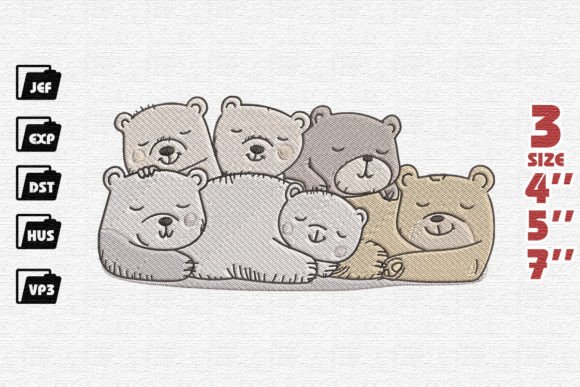
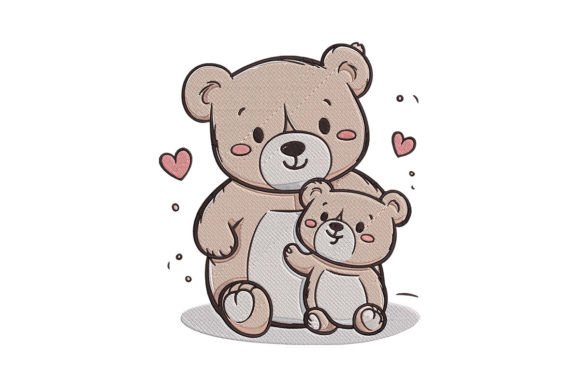
As an experienced embroidery designer, I spend a significant amount of time evaluating digital files before they ever make it to my own shop or client projects. When I first pulled up the Cute Bear Embroidery design, I knew immediately that this had the potential to be a staple in any personalized gift catalog. The description highlights a sweet scene featuring a Mama Bear and her baby bear, which is a timeless theme for baby animals collections. However, moving from a screen preview to a finished physical product requires careful planning, especially when you are aiming for high-quality results on items like onesies, home decor, and bed sets.
In this review, I will walk you through how this machine embroidery design performs in real-world applications, who it appeals to, and the practical steps you need to take to ensure your customers receive a premium handmade product. Whether you are an Etsy seller, a small business owner, or a crafter looking to expand your offerings, understanding the nuances of this file is crucial for success.
First Impressions: Mood and Emotional Appeal
The immediate charm of the Cute Bear Embroidery lies in its emotional resonance. It is not just a pattern; it is a narrative of protection, love, and family. For a personalized gift, this level of storytelling is invaluable. The design feels both classic and modern, striking a balance that appeals to a wide demographic. It is sweet without being overly saccharine, making it suitable for various occasions beyond just baby showers.
When I tested the design digitally, the detail level stood out. The interaction between the adult bear and the cub suggests warmth and care. This is exactly the kind of imagery that drives engagement on social media platforms where visual appeal is key. For an Etsy seller, this means higher click-through rates on listings featuring this design. It evokes a sense of nostalgia and comfort, which are powerful drivers for buyers looking for meaningful keepsakes.
Versatility in Personalized Gift Products
One of the strongest selling points of this embroidery file is its versatility. While the description explicitly mentions baby clothes and onesies, the potential applications extend far beyond the nursery. Here is how I see this design fitting into different product categories:
- Baby Embroidery Essentials: Naturally, this design excels on soft cotton onesies, burp cloths, and swaddle blankets. The gentle curves of the bears work well with the soft fabrics typically used for infant wear.
- Home Decor and Bedding: Imagine this design stitched onto a pillow cover or a quilted blanket. The stitch density appears robust enough to hold up against regular use, adding a touch of coziness to a nursery or child’s bedroom.
- Kitchen and Utility Items: An embroidered towel featuring the Mama and Baby Bear motif can be a unique gift for new parents who are setting up their homes. It adds a personal touch to kitchen linens that are often overlooked as gift options.
- Wedding and Family Keepsakes: While primarily themed around babies, the concept of family can be adapted. For a wedding gift to a newly married couple expecting a child, this design serves as a thoughtful "welcome to the family" present. It can also be placed on a custom tote bag or apron for a new parent.
This adaptability makes it a valuable asset for small shop products aimed at multiple customer segments. You are not limited to one niche; you can cross-sell this design across various categories.
Strategic Considerations for Finished Products
While the design is charming, there are specific areas where caution is required. As a professional, I always advise testing designs thoroughly before mass production. Here are the critical factors to consider when using Cute Bear Embroidery:
Fabric Selection and Texture
The choice of fabric plays a huge role in the final appearance. Soft, stretchy baby clothes require a high-quality stabilizer to prevent puckering. If you are embroidering on a thick towel or a textured blanket, the needle penetration might be inconsistent, leading to gaps in the stitching. Conversely, dark fabrics may hide lighter thread colors, so contrast is essential. Always create a printable mockup or stitch a test sample on the actual fabric you intend to sell to check for color contrast and texture compatibility.
Detail and Scale
If the design includes small lettering or delicate details, you must verify the minimum size requirements. Embroidery has limitations regarding how fine a line can be rendered. If the design is scaled down too much for a small item like a hat or a tiny bib, those delicate features may merge together, losing their definition. Check the hoop size constraints to ensure the entire design fits comfortably within the machine’s capabilities without awkward cropping.
Durability and Washing
For items that will undergo frequent washing, such as blanket embroidery or daily-wear apparel, the integrity of the stitches is paramount. Ensure that the stitch density is appropriate for the fabric weight. Too dense, and the fabric may pucker; too sparse, and the design may look thin and cheap over time. Using the proper stabilizer—whether tear-away, cut-away, or water-soluble—is non-negotiable for maintaining the quality of the finished product.
Impact on Giftability and Perceived Value
High-quality embroidery significantly boosts the perceived value of a gift. A customer browsing online is more likely to trust a seller who presents polished, professional-looking items. The Cute Bear Embroidery design, when executed correctly, signals attention to detail and care. This builds customer trust and enhances the emotional connection the buyer feels with the product.
For custom embroidery services, offering this design allows you to charge a premium because it is seen as a specialized, artistic addition rather than a generic print. It transforms a basic commodity, like a plain pillowcase, into a unique piece of art. This is particularly effective for wedding gifts or milestone celebrations where uniqueness is highly valued.
Practical Embroidery Notes for Success
To ensure your customers receive the best possible product, follow these practical steps during your production process:
- Test on Scrap Fabric: Never skip this step. Stitch the design on a scrap of the same fabric type to check for tension issues and thread breakage.
- Check Thread Color Contrast: Ensure the threads chosen stand out appropriately against the background fabric. Light threads on light fabric or dark on dark can result in a muddy appearance.
- Confirm Hoop Size: Verify that the design dimensions fit within your standard hoop sizes to avoid re-hooping errors.
- Review Stitch Density: Look for areas of excessive density that might cause bulkiness or poor needle penetration.
- Use Proper Stabilizer: Match the stabilizer to the fabric weight and stretch properties to prevent distortion.
- Compare Mockups: Use digital mockups to visualize the final product on different items before committing to production.
- Check Small Details: Zoom in on the digital file to ensure no tiny elements are too small to be embroidered effectively.
- Confirm Commercial Licensing: Before selling finished products, ensure you have the correct commercial license for the digital embroidery file. This protects your business legally and ethically.
By paying attention to these details, you elevate the Cute Bear Embroidery from a simple graphic to a treasured heirloom. This approach not only improves your bottom line but also fosters long-term loyalty among your customers. Whether you are creating for a local craft fair or an international online store, the quality of your execution speaks volumes about your brand.