Easter Embroidery Bunny Wind Spinner Review
As an embroidery designer who spends countless weekends hunched over my machine and setting up booths for local craft fairs, I have learned one hard truth: a design must work as well in real life as it does on a screen. When I first saw the Easter Embroidery Bunny Wind Spinner, my immediate thought was not just about the artwork itself, but about how it would perform on actual merchandise. The title suggests movement and whimsy, which is exactly what catches the eye of a browser scrolling through Etsy or a shopper walking past your display table.
This review is written from the perspective of a professional looking to turn digital assets into tangible, sellable goods. We are evaluating this machine embroidery design not just for its aesthetic appeal, but for its commercial viability, production ease, and visual impact in a busy market environment.
First Impressions and Visual Appeal
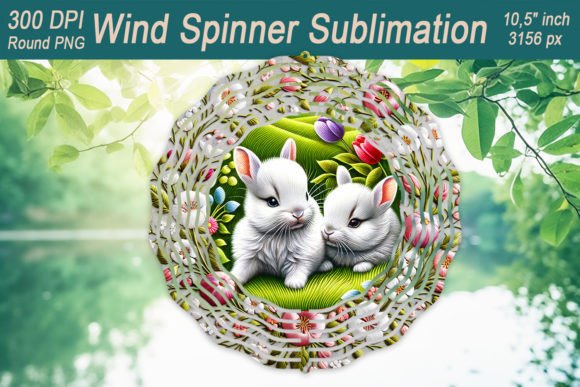
The Easter Embroidery Bunny Wind Spinner arrives as a high-resolution graphic asset, specifically noted as a 300 DPI PNG file with dimensions of approximately 10.5 x 10.5 inches. For a designer, this square format is incredibly versatile. It provides enough canvas space to create a focal point without dominating the entire surface of smaller items like tea towels or caps.
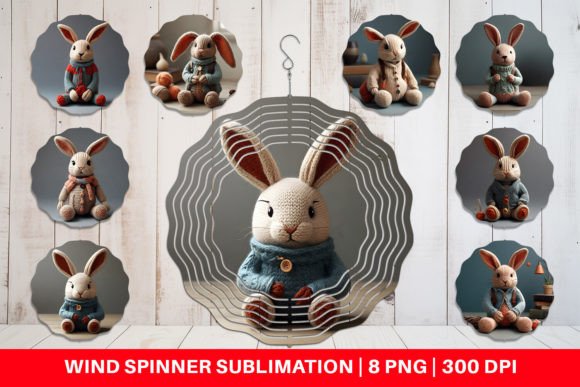
The concept of a "wind spinner" implies rotation and dynamic motion. In the context of Easter themes, this often translates to soft curves, playful bunnies, and perhaps floral accents that suggest spring breezes. From a branding standpoint, this design feels festive yet soft, leaning towards a modern rustic or farmhouse aesthetic that remains popular among handmade buyers. It avoids being overly childish while still capturing the joy of the season. This balance is crucial for attracting adult buyers who want decorative home goods rather than just toys for children.
Product Applications and Market Fit
When preparing for a weekend craft fair, variety is key. You want to offer products at different price points, all featuring cohesive branding. Here is how the Easter Embroidery Bunny Wind Spinner performs across various craft fair product categories:
- Tote Bags: A 10.5-inch design sits perfectly centered on a standard canvas tote. It serves as a large, bold statement piece. When customers pick up a bag, they see the intricate details immediately. This is your flagship item for driving higher sales volume.
- Apron Embroidery: Placing this design on the bib or pocket of a linen apron adds a touch of seasonal charm to kitchenware. Aprons are practical gifts, and the spring theme aligns perfectly with baking and gardening hobbies.
- Tea Towel Embroidery: This is where the design’s versatility shines. On a cotton tea towel, the wind spinner motif can be placed near the hem or center-stitched. It transforms a basic household item into a premium handmade product that feels gift-worthy.
- Embroidered Patches: Because the design is contained within a square, it is easy to digitize and stitch onto fabric patches. These can be sold individually or attached to denim jackets and backpacks, appealing to a younger demographic.
- Caps and Beanies: While a 10.5-inch design is too large for the front panel of a standard cap, it works beautifully on the back yoke or as part of a layered design on beanies. However, you must consider the curvature of the hat when positioning the hoop.
- Pillow Covers: Square pillow shams are ideal for this aspect ratio. The design fills the space naturally, creating a cozy, inviting look for spring home decor.
Production Practicality and Technical Considerations
Before committing to bulk production, any experienced maker knows that testing is non-negotiable. The transition from a digital graphic to a stitched reality involves several variables that can make or break the final look.
Stitch Density and Detail
The description mentions a PNG file, which is a raster image, not a vector embroidery file. This means you will likely need to trace or digitize this graphic into a stitch file compatible with your machine. During this process, pay close attention to stitch density. If the original design contains tiny details or thin lines, these may disappear or pucker if not digitized correctly. Ensure that the thread colors chosen provide sufficient contrast against your fabric. Light pastel threads on white fabric might get lost, whereas darker tones on natural linen will pop.
Fabric Texture and Stabilizer Choice
Different materials react differently to embroidery. On a smooth cotton tote bag, the design will appear crisp and clean. However, on a textured tea towel or a nubby linen apron, fine details may become obscured by the fabric weave. To combat this, use the right stabilizer. Cut-away stabilizer is generally recommended for stretchy fabrics or heavy items like bags to prevent distortion, while tear-away may suffice for stable wovens like towels. Always test on scrap fabric first to check for puckering.
Hoop Size and Placement
With a size of approx 10.5 x 10.5 inches, you need a hoop that accommodates this dimension comfortably. Most standard hoops range from 6x10 to 9x14 inches, so you may need to rotate the design or use a larger multi-needle machine if available. Ensure there is adequate margin around the edges so the stitching does not fall off the fabric edge, especially on smaller items like pouches.
Selling Strategy and Booth Display
In a crowded marketplace, visibility is everything. The Easter Embroidery Bunny Wind Spinner has strong potential for booth displays because of its inherent sense of movement. Even though embroidery is static, the design’s name and visual flow suggest spinning, which draws the eye.
Photography and Mockups: As an Etsy seller, your photos are your storefront. Use printable mockups to visualize the design on various products before you even buy the inventory. Show the bunny wind spinner on a tote bag hanging from a mannequin arm, draped over a chair, or paired with fresh spring flowers. Highlight the texture of the thread to convey quality. High-quality images increase perceived value, allowing you to charge premium prices for your small shop product.
Brand Consistency: Using this single design across multiple product types creates a cohesive collection. Buyers appreciate curated sets. If you sell a matching set of a tote bag and a tea towel with the same bunny wind spinner, you encourage bundle purchases. This strategy reinforces brand recognition and makes your booth look professional and organized.
Final Verdict for Commercial Use
The Easter Embroidery Bunny Wind Spinner is a strong candidate for spring collections. Its moderate size allows for flexibility, and its festive theme ensures relevance during the peak shopping season. However, success depends on execution.
To ensure the best results:
- Digitize Carefully: Do not simply print the PNG onto fabric unless you are doing direct-to-garment printing. For true commercial embroidery, convert it to a proper stitch file.
- Test Thoroughly: Stitch out multiple samples on different fabrics to assess clarity and durability.
- Check Licensing: Confirm that you have the rights to sell finished products made from this design asset. Commercial licenses vary widely, and respecting intellectual property is crucial for long-term business health.
- Focus on Quality: Use high-quality thread and fabric. The difference between a cheap-looking item and a boutique-quality product often lies in the finishing touches.
By treating the Easter Embroidery Bunny Wind Spinner with the care and strategic planning it deserves, you can create a line of embroidered patch accessories, home decor, and apparel that stands out at craft fairs and online shops alike. It is a design that promises charm, utility, and seasonal joy—three ingredients that always sell.