Faux Embroidery Easter PNG Review
As a designer who spends half my life staring at stitch charts and the other half worrying about thread tension, I approach every new digital asset with a healthy dose of skepticism. The market is flooded with "embroidery-style" graphics that look great on screen but fall apart when you try to translate them into physical products. Recently, I came across the Faux Embroidery Easter PNG, and while it arrives in the Graphics category rather than as a direct machine-readable file, its potential for use in both digital mockups and actual production workflows is worth examining. This review isn't just about whether the image looks cute; it’s about how this design holds up under the scrutiny of real-world application, from Etsy listings to finished handmade goods.
First Impressions: Mood and Visual Personality
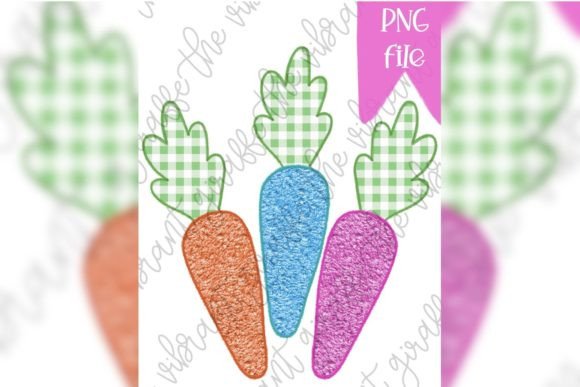
The moment you load the Faux Embroidery Easter PNG, the first thing that strikes you is the intentionality behind the aesthetic. It doesn’t scream "clipart." Instead, it whispers "boutique quality." The carrot motifs are rendered with a level of textural nuance that mimics the raised pile of real satin and fill stitches. For a designer, this distinction matters immensely. When you are creating a custom apparel line or preparing a printable mockup for a client, the difference between a flat vector and a faux-embroidered graphic can be the deciding factor in perceived value.
The mood is undeniably spring-like, cheerful, and approachable. It fits seamlessly into the broader landscape of holiday embroidery trends without feeling cliché. The layout feels balanced, suggesting that the artist considered how this would sit within a hoop or on a garment panel. It has a visual weight that suggests durability, which psychologically reassures the buyer that the final product will feel substantial. In an era where consumers are wary of cheaply printed decals, this design offers the tactile promise of traditional craftsmanship, even if it starts as a digital pixel array.
Real-World Application: From Screen to Stitch
I tested the conceptual application of this design by imagining it in three distinct scenarios: a custom embroidered tote bag, a baby onesie, and a commercial patch for a boutique brand. Each context demands different considerations regarding scale, placement, and audience.
Custom Apparel and Tote Bags
For a tote bag design, this graphic shines. The sturdy nature of canvas pairs beautifully with the rustic charm of the carrot motif. If you were using this as a reference for an actual machine embroidery design, the high contrast of the faux texture would pop against neutral backgrounds like beige, cream, or sage green. However, if you are using the PNG itself for a sublimation print or a heat transfer, the key is ensuring the background transparency is clean. A sloppy cut-out here destroys the illusion of expensive stitching. When used correctly, it elevates a basic tote into a small shop product that commands a higher price point.
Baby Items and Nursery Decor
Softness is paramount in baby embroidery. The curves of the carrots and the simulated thread loops in the Faux Embroidery Easter PNG convey a sense of gentleness that resonates with parents. I envision this on muslin burp cloths, hooded towels, or nursery wall art. The design avoids any sharp, aggressive lines, making it safe and visually soothing. For an Etsy seller, listing this as part of a "Spring Baby Shower Gift" bundle could drive significant traffic, provided the mockups accurately reflect the softness implied by the graphic.
Commercial Patches and Branding
Perhaps the most surprising utility lies in its potential for embroidered patches. Many small businesses struggle to create cohesive branding assets that look professional. Using this design as a base for a patch—whether actually stitched or printed to look stitched—adds instant credibility. It signals attention to detail. For a craft business selling aprons or kitchen towels, placing this focal point on the chest area creates a focal point that draws the eye without overwhelming the garment.
Strategic Considerations and Pitfalls
No design is perfect, and understanding where this asset might struggle is crucial for maintaining your reputation as a maker. There are specific environments where the Faux Embroidery Easter PNG requires careful handling.
- Small Hoop Sizes: If you are digitizing this into a true embroidery file or scaling it down significantly for a tiny accent, details may get lost. Dense stitch areas in the original design might merge into a muddy blob if reduced below a certain threshold. Always inspect small details before committing to production.
- Textured and Stretchy Fabrics: While the graphic simulates texture, applying it to highly textured fabrics (like bouclé wool) or stretchy knits can distort the image. If you are using heat transfer vinyl or direct-to-garment printing based on this PNG, ensure your fabric has enough stability. On a curved surface like a cap or hat, perspective distortion can make the "stitches" look uneven unless the design is warped appropriately in post-production.
- Dense Stitch Areas: If you are using this as a guide for actual machine embroidery, be wary of dense fill areas. High stitch density can cause puckering on lightweight fabrics. If you are designing for thin fabric or delicate materials, consider simplifying the design or using a lighter stabilizer to prevent damage.
- Dark Fabric Contrast: The effectiveness of the faux effect relies heavily on contrast. On dark fabrics, the highlights in the PNG may not read clearly unless you adjust the color palette or add a contrasting backing. Test it in black and white mockups to ensure the value structure remains intact.
Practical Designer Notes for Execution
To get the most out of this asset, whether you are using it digitally or translating it to thread, follow these practical steps:
- Test on Scrap Fabric First: Never go straight to the final product. Run a test print or stitch sample on the same material you plan to sell. This reveals issues with color bleeding, adhesion, or tension that aren't visible on a monitor.
- Check Thread Color Contrast: If digitizing, select thread colors that mimic the lighting in the PNG. Use a light gray or silver for highlights and a deep orange or brown for shadows to maintain the 3D illusion.
- Confirm Licensing: Before listing this as a commercial embroidery item or a digital product, verify the license terms. Some graphics allow personal use only, while others permit commercial sale of finished goods. Clarity here protects your craft business from legal issues.
- Use Proper Stabilizer: Regardless of the fabric, always use an appropriate stabilizer. For personalized gifts like aprons or tea towels, tear-away stabilizer works well. For sweatshirt embroidery or heavier items, cut-away stabilizer provides long-term durability.
- Inspect Small Details: Zoom in to 100% or more. Ensure that the simulated thread ends and knot points are clear. Blurry edges suggest low-resolution source files, which can hurt the professionalism of your design assets.
Final Verdict on Value and Appeal
The Faux Embroidery Easter PNG succeeds because it understands its audience. It appeals to the crafter who wants the look of high-end work without the hours of manual digitizing, and it appeals to the consumer who associates embroidery with quality and care. It enhances product value by adding a layer of perceived craftsmanship. When customers see this design, they don't just see a carrot; they see time, effort, and tradition.
However, success depends entirely on execution. A poorly applied graphic, regardless of its inherent beauty, will result in a disappointing finished product. By treating this PNG with the same respect you would a raw embroidery file—testing, adjusting, and validating—you can turn a simple seasonal graphic into a standout piece for your handmade product line. It is a versatile tool in the arsenal of any creative entrepreneur looking to capitalize on the spring season with authenticity and style.